
34-environment-restoration
Asset valuation: $8,000,000,000. Master index of all projects: PROJECTSINDEX Last edited: 2026-06-30 Status: L2 designed — see work/STATUS.md for conclusion checkpoint Maturity (per PACKAGEARCHITECTURE.md): L1 (Research) moving toward L2 (Designed)
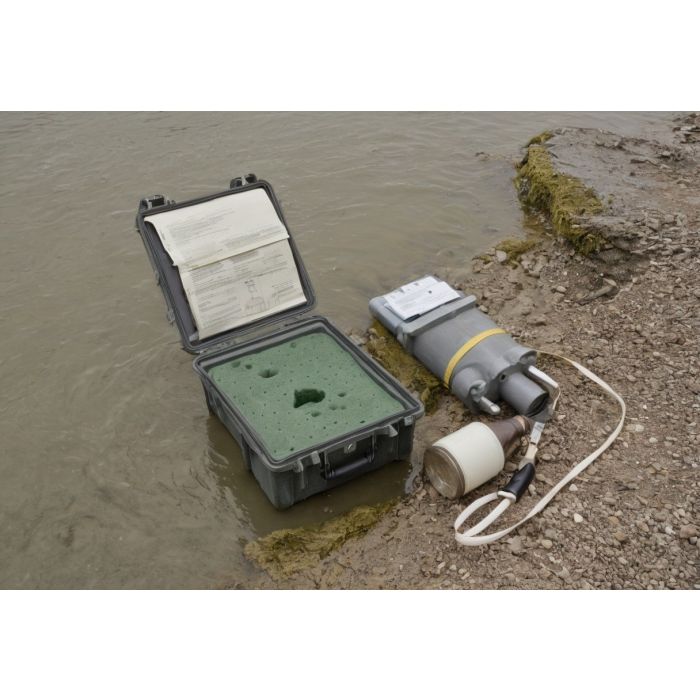
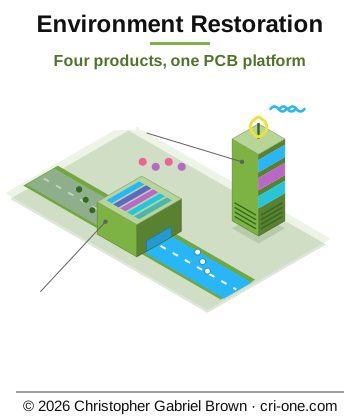
Imagine a river treated like a drain for a generation, and a machine on its bank drawing the water in, pulling lead and mercury out with magnets, breaking pesticides and pharmaceuticals apart under ultraviolet light, killing pathogens with ozone made on the spot, and handing the water back oxygenated and mineral-balanced, no chemicals added. That is AquaPhi, one of four blueprint platforms in the AutoPhi Environmental Restoration System. AtmoPhi is the air version: a tower that pulls in smog, drops particulate on charged plates, neutralises nitrogen and sulphur gases over the same photocatalyst, and holds carbon in coconut-shell charcoal. OzonePhi shrinks the ozone and carbon-dioxide chemistry to a countertop box. HomePhi and the PowerPhi energy module tie the household together with photon recapture, thermoelectric generation and battery storage, and the sheet says plainly that it obeys thermodynamics: the gain is in recovering energy otherwise wasted.
All of it rides on one PCB-scale architecture and the patent family that runs through this catalog. The source tree is 275 files and 55,879 lines of documentation, validation scripts, schematics and specifications. Four virtual validation gates have passed (ozone safety, lead removal, precipitator efficiency, home energy export) and physical bench testing is roadmapped, not done. It is for a water or air-quality operator, an appliance maker wanting a retail path, or an engineering licensee who wants the whole series in one tree. The terms are a commercial source license: the buyer gets the full source tree, and no IP is conveyed; it stays with the inventor.
Description
Cri-One Environment Restoration — AutoPhi Environmental Series
Inventor: Christopher Gabriel Brown, Lawrenceville, GA, USA.
Patent Status: Method-claim filing in preparation. May relate to USPTO application 19/540,453 — coverage scope to be confirmed prior to engagement. Underlying patent portfolio includes Patents 3561/2876, 1026, 1025, 1096–1098, 1105, 1204, 3559; USPTO Applications 17/687,656, 63/552,008, 18/650,137, 18/370,908, 19/403,339, and 19/540,453.
The AutoPhi Environmental Restoration System (AERS) is a modular, deployable environmental restoration platform that combines electromagnetic filtration, photocatalytic purification, electrochemical ozone disinfection, magnetocaloric climate control, and energy-recycling power systems to actively clean polluted water, remediate air quality, purify indoor environments, and replace conventional home infrastructure — all on a single unified PCB-scale architecture. Four integrated blueprint platforms — AquaPhi (water), AtmoPhi (air), OzonePhi (ozone purification), and HomePhi (home infrastructure) — scale from a $299 countertop consumer unit to billion-dollar national deployment networks. The complete source tree spans 275 files totalling 55,879 lines of engineering documentation, validation scripts, schematics, brochures, and deep specifications.
Every technology is grounded in established science with real chemistry, real equations, published academic references, and honest performance projections. Four virtual validation gates have passed — OzonePhi ozone safety, AquaPhi lead removal, AtmoPhi ESP efficiency, and HomePhi energy export — with physical bench testing roadmapped.
Module 1: AquaPhi — River & Water Restoration
A five-stage water purification system that removes heavy metals, destroys organic pollutants, eliminates pathogens, and returns oxygenated, mineral-balanced water to rivers and waterways using zero chemicals.
Stage Technology Performance
1. Smart Intake Real-time sensor array (pH, DO, turbidity, TDS, ORP, XRF heavy metals, Pt100 RTD); PLC-controlled VFD; 694 L/min per module Automated flow adjustment based on contamination readings
2. Electromagnetic Separation DMSA-functionalized Fe₃O₄ nanoparticles + HGMS column; 0.5–2.0 T field; 300 mm × 1.5 m column; Patents 1096–1098 Lead 99%+, Mercury 99%+, Cadmium 98.5%+, Arsenic 98%+, Chromium 98%+ — all below EPA MCLs
3. UV Photocatalytic Oxidation Anatase TiO₂ (P25) catalyst bed + 96-LED UV-C/UV-A array (265 nm + 365 nm); Patent 3561/2876 cold-light microchip; 40 kHz ultrasonic regeneration Pesticides 90–99%, Pharmaceuticals 85–99%, Microplastics 70–90%, PFAS 50–70%
4. Electrochemical Ozone Cu/Al electrode pairs (C11000 copper, 6061-T6 aluminium); 3–12 V DC; EM field pulsed 1–100 kHz; Patents 1096–1098 Ozone +2.07 V oxidation potential; Cryptosporidium 7,200× faster than chlorine; zero chemical residue
5. Bio-Restoration Discharge Venturi + cascade aeration; calcite/dolomite re-mineralisation; PID pH balancing DO > 7.0 mg/L, pH 7.0–8.0, turbidity
A tower-based atmospheric scrubbing system using electrostatic precipitation, photocatalytic oxidation, and activated carbon adsorption. Every technology has decades of industrial precedent.
Stage Technology Performance
1. Ground-Level Intake 360° louvered vents; centrifugal fan at 5,000 m³/hr; G4 pre-filter; 10-parameter sensor array (PM2.5, PM10, NO₂, SO₂, O₃, CO, CO₂, VOCs, temperature, humidity) Equivalent to cleaning air breathed by ~40,000 people daily
2. Electrostatic Precipitation Plate-wire ESP; 40 SS304 plates × 2.0 m × 3.0 m; 480 m² collection area; −40 to −60 kV DC; Deutsch–Anderson modelling; Patent 1096 magnetic-field assist PM10 > 99.9%, PM2.5 98–99%, 0.1–0.3 μm 90–95%
3. Photocatalytic Gas Neutralisation TiO₂ anatase on aluminium honeycomb; 800 W UV-A (365 nm) LED array; 200 m² catalyst area; Patent 3561/2876 NO₂ 80–94%, SO₂ 80–90%, VOCs 75–90%, ground-level O₃ 80–90%
4. Carbon Capture 500 kg coconut-shell GAC; TSA regeneration at 100–150 °C; ~1,000 m²/g surface area; Patent 1204 ~6 tonnes CO₂/year per tower (honest DAC rate at ambient 420 ppm)
5. Clean Air Dispersion 15–25 m tower with fan-forced updraft; VAWT on tower top (Patent 1105); directional louvers Measurable AQI improvement within 200–500 m radius
Combines Cu/Al electrochemical ozone generation with a Reverse Calvin Cycle catalytic CO₂ reduction system. Fastest retail path in the AutoPhi series — documented $299 consumer retail at $142 BOM.
System Technology Performance
System A: Catalytic CO₂ Reduction Electrochemical CO₂ reduction on copper electrodes + NaOH mineralization; dual approach (ECR + mineral carbonates); Patent 3561/2876 LED photocatalysis supplementary pathway Indoor CO₂ reduction 30–60% of excess; 20–70 kg CO₂ per home unit per year
System B: Ozone Generation Cu/Al electrochemical cell; 3H₂O → O₃ + 6H⁺ + 6e⁻ at anode; EM field control (Patents 1096–1098); MnO₂ catalytic destructor on outlet Ozone +2.07 V oxidation; Cryptosporidium 7,200× vs chlorine; safe at
Staircase Mirror Chip Multi-stage photon cascade recapture (Patent 3559); GaN → GaInP → GaAs → Si → TEG stages; dichroic step mirrors; 91.7% theoretical photon energy extraction Bridges chip, PCB, and building scales with the same optical physics
An integrated energy management system combining LED photon recapture, thermoelectric generation, multi-source renewable harvesting, LiFePO₄ battery storage, and regenerative motor circuits. Obeys thermodynamics — value is in minimising external energy needs through intelligent recovery across multiple stages.
Technology Patent Contribution
LED Energy Recycling 3561/2876 PV recapture of scattered UV photons + TEG harvest of LED waste heat; combined 4–6% of LED input recovered continuously
Battery with Generator & Recycle 1026 LiFePO₄ battery (500 Wh consumer to 50 kWh grid); 92–96% round-trip efficiency; 3,000–5,000+ cycle life; regenerative back-EMF capture from motor transients
Electromagnetic Cooling 1096–1098 Peltier/TEG dual-mode: active cooling + Seebeck waste-heat generation; eliminates 0.5–1.5 kW fan/compressor parasitic loads; ~180 W continuous Seebeck recovery from 3 kW waste heat
Multi-Source Energy Harvesting 1025, 1105 Solar PV (50–2,500 W avg), VAWT wind (100–1,000 W avg), micro-hydro (65 W at 1 m head), thermoelectric — multiple redundant points of entry
A single wall-mounted residential system that replaces grid electricity dependency, compressor air conditioning, furnace/heat pump, air purifier, water purifier, and HVAC filter maintenance. The largest package in the series: 26 files.
Subsystem Specification
PCB Quantum Battery 20-layer LiFePO₄ stack (3.2 V × 50 Ah per layer = 3,200 Wh per stack); 32 LED+PV harvester zones; 32 Peltier/TEG cooling zones; FPGA (Lattice iCE40UP5K) or ARM MCU (STM32F407) running the same Verilog RTL; 10–20 kWh total capacity
Magnetocaloric AC/Heat Gadolinium (Gd) packed-bed regenerator; NdFeB N52 Halbach array at 1.0–1.5 T; COP 5–10 (vs compressor COP 3–4.5); zero refrigerant; near-silent 20–30 dB; 20+ year lifespan; 42% less electricity than compressor AC
OzonePhi Integration Air + water purification; Reverse Calvin Cycle + Cu/Al ozone; zero filter replacements
Solar Window Stickers Peel-and-stick OPV film; 0.3–1.0 mm thick; 50–80% visible light transmission; 50–100 W/m² peak; 95% UV blocking; 10–20 year lifespan; no roof installation, no permits, renter-friendly
Power Export 64 V → 48 V DC-DC; 5 kW hybrid inverter; 200 A automatic transfer switch; IEEE 1547 grid-tie; 48-bit lifetime energy accumulator
All four products share the same universal core: iCE40 FPGA running shared Verilog RTL, LED recycle cavities (Patent 3561/2876), 20-layer LiFePO₄ battery stack (Patent 1026), and EM/magnetocaloric thermal management (Patents 1096–1098). Application-specific modules plug in to determine function. The architecture scales across three tiers:
Scale AquaPhi AtmoPhi OzonePhi HomePhi
Home / Kitchen Under-sink, 2–5 L/min, $499–$799 Whole-house, $599–$1,299 Countertop, $299–$399 Wall unit, $7,999–$14,999
City Container array, 200–500 L/min, $500K–$2M Tower network, $200K–$500K per tower Commercial HVAC integration Multi-dwelling arrays
Country National river network, $100M–$1B National grid, 1,000+ towers, $1B–$25B Municipal water disinfection National residential rollout
Gen 1 (current) UV-A LEDs (365 nm) 15–20% (broadband Si) Proven, mass-market components; ~5.6% total recycle rate
Gen 2 (laser upgrade) Laser diodes (375 nm + 445 nm) 40–60% (wavelength-matched GaAs/GaInP) 3–5× recycle improvement; coherent beam; 200+ cavity bounces
Gen 3 (solar-pumped) Solar-pumped Nd:YAG laser Wavelength-matched Sunlight drives photocatalysis directly; electricity freed for other loads
Validation Status
Four virtual validation gates have been executed via Python test harnesses with simulated sensor data:
Physical bench testing for all gates is roadmapped. Gate 2 Integrated (burn-in) and Gate 4 Field Pilot protocols and site-selection criteria are documented in the validation suite.
3561/2876 1 Light Trigger + Laser Semiconductor & Microchip Photocatalytic UV activation; LED recycle cavities; cold-light microchip digital optics
1026 Battery with Electrical Generator & Recycle Self-sustaining power loop; LiFePO₄ BMS; regenerative circuits
1025 Alternative Point of Energy (Multi-Point Entry) Redundant power sourcing; solar + wind + hydro + thermal
1096–1098 Magnetic Propulsion, Advanced Magnetic Systems, Torque Optimisation EM contaminant separation; ESP enhancement; magnetocaloric AC; Peltier/TEG cooling
1105 Windmill Recycle Electric Generator VAWT wind energy recovery; water-flow micro-turbine
1204 Carbon Ash Purification Technology Activated carbon CO₂ capture & conversion
3559 Staircase Mirror Chip (Time & Light Measurement) Multi-stage photon cascade recapture; dichroic stepped mirrors; 91.7% theoretical extraction
18/370,908 Quantum Battery Technology PCB-scale quantum battery architecture; 20-layer stack; 32 harvester zones
19/540,453 USPTO Application Environment Restoration method-claim coverage (scope to be confirmed)
Scope Single-medium (water OR air); vendor-specific Four products, one PCB platform: water + air + ozone + home infrastructure
Approach Chemical dosing, disposable filters, compressor HVAC Zero-chemical EM + photocatalysis + ozone; magnetocaloric AC; LED energy recycle
IP envelope Vendor patents on components; per-product licenses Unified patent map across 13+ filings; commercial source license + non-assertion covenant
Delivery format Custom engineering contracts; 18–36 month deployments Complete blueprint packages day one: BOMs, schematics, brochures, store-ready SKUs
Substrate Siloed mechanical + chemical plant design Universal PCB-scale architecture from FPGA to national container arrays
Recurring consumables Filter replacements, chemical supply, service contracts Near-zero consumables; OzonePhi electrode pairs last 6+ years at $20–$30/pair
EPA / NPDES Safe Drinking Water Act; discharge permits AquaPhi targets exceed EPA Class A standards
CE Marking / ETL / CSA European conformity; electrical safety Standard testing paths documented
Markdown (.md) 120 Deep engineering specs, product listings, validation checklists, bench procedures, READMEs, shopping lists, protocols
HTML (.html) 35 Animated brochures, sales pitches, product descriptions, delivery instructions, viewer pages
SVG (.svg) 30 Colour schematics, B&W engineering blueprints, product labels, tech evolution diagrams
Python (.py) 20 Virtual validation gate runners, physical/virtual common libraries, summary refresh scripts
CSV (.csv) 23 Sensor log templates, simulated run data, shopping lists, Magento product import
The buyer receives the complete 34-environment-restoration/ source tree — every file in the directory and its sub-directories — under a commercial source licence granting perpetual, irrevocable, worldwide, non-exclusive, royalty-free, sublicensable rights to run, modify, fork, redistribute, sublicense, and incorporate the deliverable into commercial products and services. The buyer owns every modification and derivative work the buyer creates.
- Four vault-ready blueprint archives — AutoPhi-1 through AutoPhi-4 matching DEPO SKUs; 17 + 11 + 18 + 26 files with INDEX documents, animated HTML brochures, B&W engineering schematics, and deep engineering specifications.
- 11 deep engineering specifications — AquaPhi (5-stage water, real chemistry, Fe₃O₄ nanoparticle binding equations), AtmoPhi (ESP physics, Deutsch–Anderson, photocatalysis), OzonePhi (Cu/Al electrochemistry, Reverse Calvin Cycle, UL 867 safety), PowerPhi (thermodynamic energy balance, multi-source harvesting), HomePhi PCB (20-layer battery, 32 harvester zones, FPGA pin mapping), magnetocaloric AC (gadolinium MCE, COP 5–10, Halbach array), unified PCB architecture (kitchen–city–country scaling), HomePhi Climate (6-system replacement), Gen 2 laser upgrade, Gen 3 solar-pumped laser building, staircase mirror chip (Patent 3559), and solar window stickers.
- 30 SVG schematics and blueprints — Colour process flow schematics, B&W engineering blueprints (patent-filing grade), scale progression diagrams (kitchen → home → city → country → tech evolution), PCB internals, product labels.
- Validation suite — 4 virtual gates (Python runners, CSV sensor logs, JSON results, signed checklists, bench reports); integrated burn-in protocol; field pilot protocol with site-selection criteria and MOU template.
- Store deployment pack — Magento import CSV, product listing markdown, product cards for all 4 DEPO tiers + umbrella, vault delivery instructions, SEO metadata, Firefly image prompts.
- Marketing assets — Animated HTML brochures, full and scoped sales pitches, product labels (SVG + PNG), AERS combined overview, video scripts.
- Integrity package — CITATION.cff, SHA256 manifest, LICENSE.md, README, PRICING.md.
- USPTO filing documentation — 11 N417 filing receipts and payment confirmations (2025–2026), including serial 19419022.
How this is delivered
This package ships on a single Blu-ray disc, posted to the delivery address on your order. The archive on the disc is AES-256 encrypted; the passphrase is sent separately, by email, once the disc is despatched — so the disc alone is of no use to anyone who intercepts it.
Discs are despatched by tracked, signed-for post. Allow 5 business days for mastering and verification before despatch.
All specifications cite peer-reviewed literature and established engineering data. Key references include: Xu et al. (2012) on Fe₃O₄ nanoparticles in wastewater; Hashimoto et al. (2005) on TiO₂ photocatalysis; von Gunten (2003) on ozone in drinking water; Parker (1997) on electrostatic precipitation; Christensen et al. (2009) on electrochemical ozone; Kitanovski et al. (2015) on magnetocaloric energy conversion; Bell (2008) on thermoelectric systems; EPA Disinfection Guidance Manuals; and UL 867 for electrostatic air cleaners. Full bibliographies in each deep-engineering document.
© 2026 Christopher Gabriel Brown. All rights reserved. “Cri-One,” “Environment Restoration,” “AutoPhi,” “AquaPhi,” “AtmoPhi,” “OzonePhi,” “HomePhi,” and “PowerPhi” are product designations of the licensor. This listing is a public-facing product description and does not constitute an offer, a representation of fitness, or a warranty. Any licensee is responsible for independent technical validation, regulatory compliance, and reduction to practice. Performance projections are based on published academic research and established engineering data; actual performance must be validated through prototype testing and pilot studies.
Photo
Footnotes
- Product number 8482.
- Family: environment.
- Purchase: When you buy, you buy the use of that blueprint only.