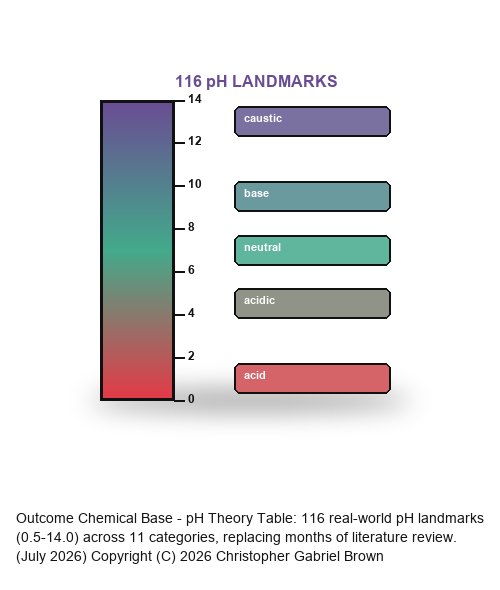
Outcome Chemical Base — pH Theory Table
The full 116-landmark pH theory table with a large computed feature set and author-assigned environmental scores. The most content-dense single dataset. Design-target asking price.
© CRI-ONE. All rights reserved. Patents issued and pending. Unauthorized reproduction of the underlying designs is prohibited.
Extended catalog & full narrative — Outcome Chemical Base — pH Theory Table
The extended dossier appended from the 2026-08-05 catalog snapshot. Prices in the body copy have been stripped; the live-store price on this page is the authoritative figure. Images have been omitted.
If you have ever wished all of pH lived in one exhaustive, cross-referenced table — this is that table, built out to an almost obsessive degree.
Why this exists — the intent
The intent is to turn scattered pH knowledge into a single, exhaustive lookup: 116 real-world reference points from battery acid to lye, each expanded with a big computed numeric feature set and organized with standard derived acid-base metrics, so pattern-hunting and reference lookup happen in one place.
What you actually receive
- 116 pH landmarks (0.5–14.0) across 11 categories, with author-assigned danger scores
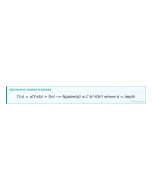
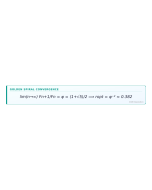
- 31 compounds expanded across 256 mathematical powers (7,936 computed values)
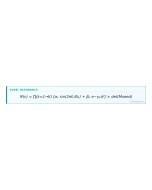
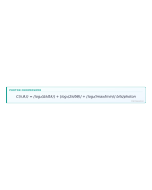
- Standard derived metrics: H+, OH-, pOH, buffer indicators, ionization degree
- 93 KB CSV (267 columns) + 218 KB JSON + documentation
The outcome — what you can do with it
- One-stop pH reference across a huge range of everyday and industrial substances
- A large numeric feature set to explore for patterns and correlations
- A teaching and literature-scaffolding resource that saves hours of table-building
⚖️ Faithful scope — what this data actually is (so nothing is overstated):
| Reference data | The pH values are real, publicly-known reference ranges for common substances, organized and cross-referenced. |
| Computed values | The large 'data point' counts come from mathematics applied to the reference values (e.g. raising a pH across many powers, plus standard derived acid-base metrics). They are arithmetic expansions for exploration, not individual laboratory measurements. |
| Estimated scores | Danger, safety, success-probability and productivity scores are the author's heuristic model estimates on a defined scale — useful for ranking and ideation, not lab-certified results. |
Why the price is
The design-target asking price reflects that this is the most content-dense single dataset in the category — 116 landmarks and the biggest computed expansion. Being completely straight with you: much of the 'data point' count is mathematics applied to the pH values (the 256-power expansion), which is an exploration tool, not 7,936 separate lab measurements. You are paying for the breadth, organization, and the exhaustive reference table — priced as an exclusive deliverable, not appraised.
Exactly what you receive: a digital data + software deliverable — the dataset files (CSV and JSON), any Python source noted above, and written documentation, delivered by digital download/email. Your purchase includes a license to use these deliverables. It does not transfer or license any patent or intellectual-property rights, and it is not a stake in any company.
How the price was set (in plain terms): the figure below is the inventor's design-target asking price for an exclusive, premium research deliverable. It reflects the scope and originality of the work described above and the inventor's chosen positioning. It is not a third-party appraisal, an audited valuation, or a claim of realized or guaranteed resale value. It is an asking price — offers and licensing discussions are welcome by email.
📅 Description authored & last edited: 2026-07-07 at 19:45 (inventor's local time). Sales & support by email. Availability: USA only. © 2026 Christopher Gabriel Brown. All rights reserved.
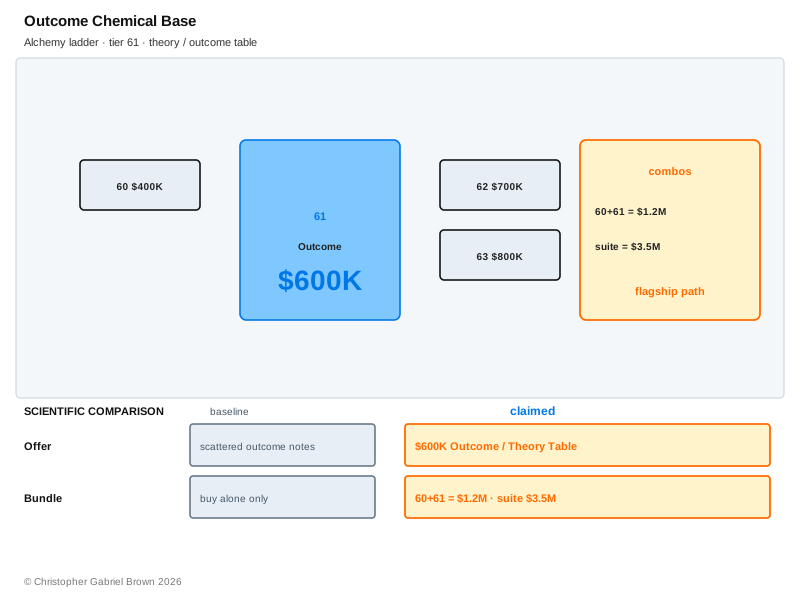
b602ed204efbfc78bea60785a30e6f4c332798a45b6dd3bd7a977750d26ab17fOutcome Chemical Base — pH Theory Table
Publicly online since 2010 · U.S. patent applications since 2012 · inventions offered since 2014. The work of Christopher Gabriel Brown, independently documented.