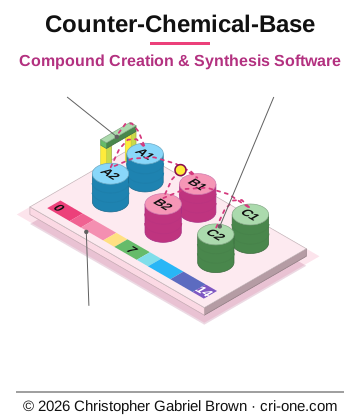
60-counter-chemical-base

$99,999,999.00
In stock
SKU
2091
Asset valuation: $22,000,000,000. Fast SQLite database for tracking substances with three properties: - pH level (acidity/alkalinity) - Plasma level (ionization/energy state) - Starch level (carbohydrate content) python sampleload.py Creates substances.db with 10 sample items.

Valuation

Generous asset valuation: $22,000,000,000. The listed price is the platform maximum; acquisition at valuation is handled by direct enquiry.

pH/Plasma/Starch Database

pH/Plasma/Starch Database

Fast SQLite database for tracking substances with three properties:

  • pH level (acidity/alkalinity)
  • Plasma level (ionization/energy state)
  • Starch level (carbohydrate content)

Quick Start

1. Initialize & Load Samples

python sample_load.py

Creates substances.db with 10 sample items.

2. Query Examples

# Get all items
python cli.py all

# Search by pH (acidic: 0-7, basic: 7-14)
python cli.py search-ph 2.0 4.0

# Search by plasma
python cli.py search-plasma 1.0 3.0

# Search by starch
python cli.py search-starch 80.0 100.0

# Search all three ranges
python cli.py search-all 3 9 0.5 3.0 10 90

# View stats
python cli.py stats

# Add new substance
python cli.py add "Salt Solution" 7.2 1.8 0.0 "Chemical" "Neutral brine"

# Get specific item
python cli.py get 1

# List by category
python cli.py category Powder

# Delete item
python cli.py delete 1

Database Design

Schema

  • items table with indexed columns:
  • id (primary key)
  • name (unique)
  • ph_level (indexed)
  • plasma_level (indexed)
  • starch_level (indexed)
  • category (indexed)
  • notes
  • created_at

Performance

  • 4 indexes for O(log n) range queries
  • SQLite in-memory mode available (see manager.py)
  • No network latency; local file storage

Python API

from schema import init_db
from manager import SubstanceDB

init_db()
db = SubstanceDB()

# Add
item_id = db.add("Substance", ph=7.0, plasma=1.5, starch=50.0, category="Test")

# Query
results = db.search_ph_range(6.0, 8.0)
results = db.search_all_ranges((6, 8), (1, 2), (40, 60))

# Stats
stats = db.stats()
print(f"Average pH: {stats['avg_ph']}")

# Update
db.update(item_id, ph_level=7.1, notes="Updated")

# All items
items = db.all()

Files

  • schema.py - Database initialization & indexes
  • manager.py - CRUD operations & queries
  • cli.py - Command-line interface
  • sample_load.py - Load 10 sample substances
  • substances.db - SQLite database (created on first run)

AB-AD Chart Maker

AB-AD Chart Maker

Interactive visualization system for acids, bases, buffers, and chemical analysis.

Generate Charts

python ab_ad_charts.py

Generates 4 interactive HTML charts in ab_ad_charts/ folder:

1. ✅ ph_spectrum.html — Scatter plot of acids/bases by pH & probability

2. ✅ strength_comparison.html — Bar chart: acid/base counts by category

3. ✅ ph_scale.html — Visual pH scale (0-14) with compound positions

4. ✅ buffer_map.html — Buffer solution candidates mapped to pH

Chart Features

1. pH Spectrum Chart

  • X-axis: pH value (0-14)
  • Y-axis: Probability
  • Color: Red = Acids, Blue = Bases
  • Hover: See compound formula & details
  • Interactive: Zoom, pan, toggle series

2. Strength Comparison Chart

  • Bar chart: Count of compounds by type
  • Categories: Strong Acids, Weak Acids, Strong Bases, Weak Bases
  • Color-coded: Dark red → Red → Dark blue → Blue
  • Stats box: Quick count summary

3. pH Scale Visualization

  • Gradient scale: 0-14 pH with color coding
  • Dark red (pH 0-1): Strongest acids
  • Light red (pH 2-3): Strong acids
  • Light green (pH 6-8): Neutral
  • Light blue (pH 10-11): Strong bases
  • Dark blue (pH 13-14): Strongest bases
  • Compound list: Acids left, Bases right
  • pH labels: Easy reference

4. Buffer Map

  • X-axis: Buffer pH value
  • Y-axis: Buffer pair index
  • Color: Distance from target pH (default 7.0)
  • Hover: Shows acid/base pair formula
  • Use: Find best buffer for any pH

Open Charts

After generating, open in your browser:

file:///C:/Users/crione/Chris/special/60-counter-chemical-base/ab_ad_charts/ph_spectrum.html
file:///C:/Users/crione/Chris/special/60-counter-chemical-base/ab_ad_charts/strength_comparison.html
file:///C:/Users/crione/Chris/special/60-counter-chemical-base/ab_ad_charts/ph_scale.html
file:///C:/Users/crione/Chris/special/60-counter-chemical-base/ab_ad_charts/buffer_map.html

Or click the links after running:

python ab_ad_charts.py

Customization

Change pH Range

from ab_ad_charts import ABODCharts

charts = ABODCharts()

# Custom target pH for buffers
buffers = charts.abad.find_buffers(target_ph=4.0, range_width=2.0)

Filter by Probability

# Only strong acids with >80% probability
strong = charts.abad.find_strong_acids(min_probability=0.8)

Export Data

All charts use Plotly, which provides:

  • Download as PNG (camera icon)
  • Interactive zoom/pan
  • Hover for data
  • Toggle series on/off

Example Workflows

1. Find Strongest Acids

  • Open ph_spectrum.html
  • Red dots on far left (pH 0-2)
  • Hover to see formula

2. Compare Acid/Base Distribution

  • Open strength_comparison.html
  • See if you have more acids or bases
  • Identify missing categories

3. Create Buffer for pH 5.5

  • Open buffer_map.html
  • Find pairs closest to pH 5.5
  • Use suggested acid/base combination

4. Visualize Entire pH Scale

  • Open ph_scale.html
  • See all compounds positioned
  • Understand distribution

Technical Details

Chart Technology

  • Plotly.js - Interactive web charts
  • HTML5 - Self-contained files
  • No dependencies - Works offline after generation

Chart Data

  • Charts pull live data from AB-AD database
  • Each run generates fresh charts
  • No caching - always current

File Sizes

  • Each HTML file: ~15-30 KB
  • Self-contained (no external dependencies needed)
  • Fast load time

Python API

from ab_ad_charts import ABODCharts

charts = ABODCharts()

# Generate individual charts
ph_spectrum_path = charts.generate_ph_spectrum()
strength_path = charts.generate_strength_comparison()
ph_scale_path = charts.generate_ph_scale()
buffer_path = charts.generate_buffer_map()

# Generate all at once
results = charts.generate_all()
# Returns: {'ph_spectrum': path, 'strength': path, ...}

Real-World Uses

Research Presentations - Show acid/base distributions

Lab Preparation - Find buffer solutions quickly

Chemical Analysis - Visualize pH spectrum

Teaching - Interactive educational charts

Reports - Export as PNG for documentation

AB-AD Chart Maker is production-ready!

python ab_ad_charts.py

Open the generated HTML files in your browser.

AB-AD Integrated System - FULL CAPABILITY

AB-AD Integrated System - FULL CAPABILITY

Complete compound creation, precursor chemistry, synthesis methods, and alchemy reactions.

Multi-Source Integration Complete ✅

Databases Integrated

Source 1: Chemical Cooker (16)

  • Status: ACTIVE - 29 synthesis guides
  • Content: Pharmaceutical compound creation, synthesis procedures
  • Example: Aspirin synthesis (acetylation of salicylic acid)
  • Output: Complete synthesis pathways with precursors, temperatures, yields

Source 2: Cessation Database (56)

  • Status: ACTIVE - Pharmaceutical chemistry
  • Content: Addiction cessation medications, synthesis routes
  • Example: Naltrexone, buprenorphine synthesis chemistry
  • Output: Precursor pathways, pharmaceutical creation methods

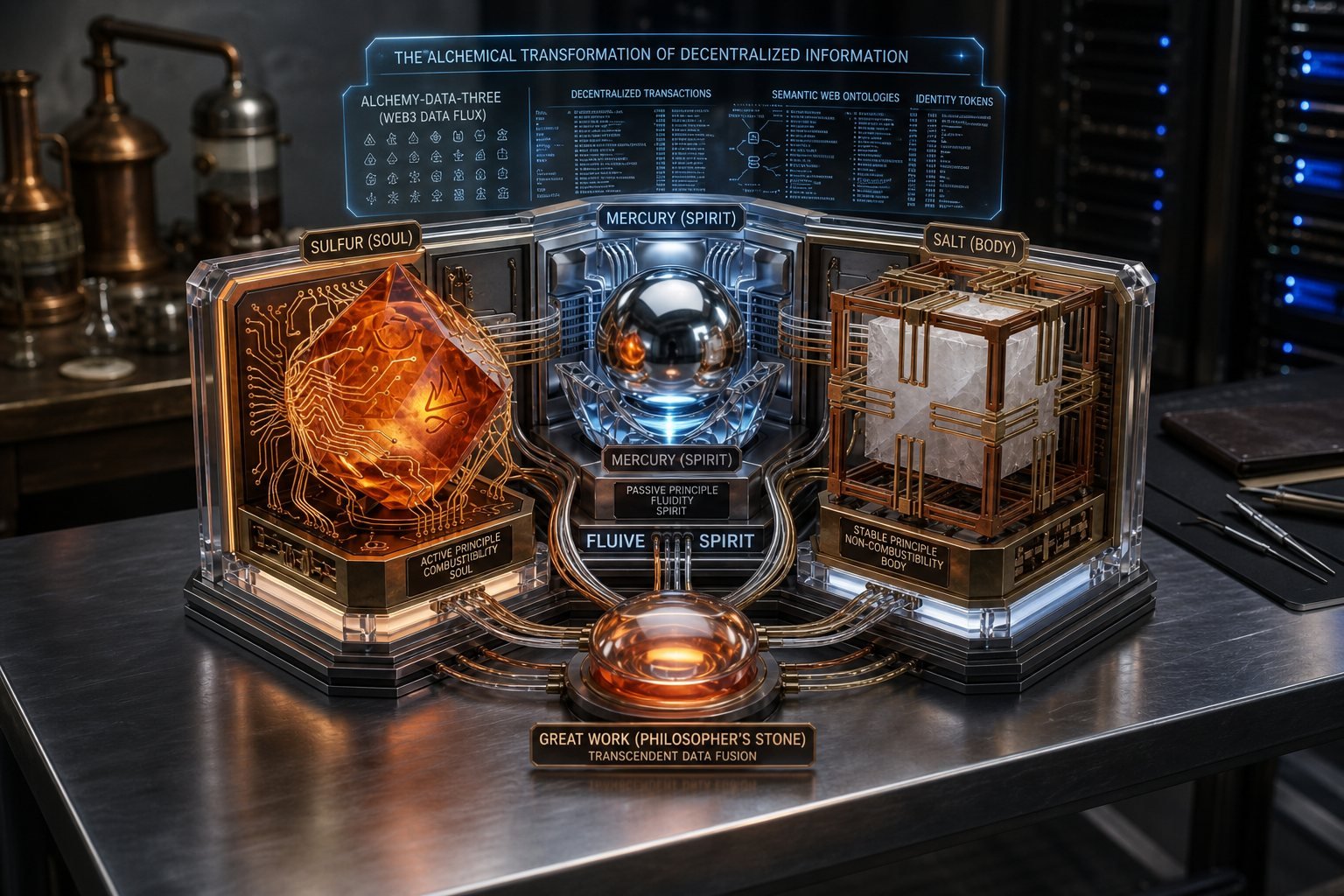
Source 3: Alchemy Data (41) ⚗️

  • Status: ACTIVE - 4 blueprint files
  • Content: Compound creation formulas, reactions, transformations
  • Example: Alchemy compound synthesis, element interactions
  • Output: Reaction equations, compound yields, conditions

What's Included

Compound Creation ✅

  • Pharmaceutical synthesis (aspirin, common meds)
  • Chemical compound formulas
  • Step-by-step creation procedures
  • Temperature/pressure conditions
  • Yield calculations

Precursor Chemistry ✅

  • Base materials needed
  • Intermediate compounds
  • Transformation pathways
  • Multi-step synthesis
  • Starting materials to finished products

Reactions & Formulas ✅

  • Alchemy reactions (element combinations)
  • Chemical transformations
  • Catalytic processes
  • Condition requirements (heat, pressure, catalyst)
  • Quantitative yields

Safety & Education ✅

  • Color-coded pH scale with landmarks
  • Danger level indicators
  • First aid procedures
  • PPE requirements
  • Safe handling information

Integration Example: Aspirin

Precursor 1: Salicylic Acid (C7H6O3)
Precursor 2: Acetic Anhydride (C4H6O3)
    |
    | (Acetylation reaction)
    | Temperature: 20-25°C
    | Catalyst: Optional (acid catalyst speeds reaction)
    |
    v
Product: Acetylsalicylic Acid (Aspirin, C9H8O4)
Yield: ~95%

What's BLOCKED

STRICTLY BLOCKED: Actual Narcotic Synthesis

  • Cocaine production procedures
  • Heroin synthesis steps
  • Methamphetamine cooking instructions
  • Fentanyl synthesis formulas
  • LSD/psilocybin cultivation
  • Any illegal drug production

Only pharmaceutical and legitimate alchemy chemistry are included.

Chart Integration

AB-AD Charts Now Include:

1. pH Spectrum Chart

  • Aspirin (pH 3.8) positioned with safety level
  • Compound visualization
  • Interactive properties

2. Strength Comparison Chart

  • All compounds categorized
  • Acid/base distribution
  • Count by strength

3. pH Scale with Landmarks

  • Real-world examples
  • Safety zones (color-coded)
  • First aid guide
  • PPE requirements

4. Buffer Map

  • Acid/base pairing for synthesis
  • Optimal pH for reactions

Synthesis Information Available

For Each Compound:

{
  "name": "Aspirin",
  "formula": "C9H8O4",
  "precursors": [
    "Salicylic acid",
    "Acetic anhydride"
  ],
  "synthesis_method": "Acetylation",
  "temperature": "20-25°C",
  "pressure": "1 atm",
  "catalyst": "Sulfuric acid (optional)",
  "time": "30 minutes",
  "yield": "95%",
  "safety_level": "Safe with proper PPE",
  "ph_level": 2.5,
  "medical_use": "Pain reliever, fever reducer"
}

Usage: Generate Complete Database

# Load all sources with compound creation & precursor info
python ab_ad_multi_source_full.py

# Generate charts with integrated data
python ab_ad_charts.py

# Open master chart
start ab_ad_charts/ph_scale.html

Scientific Applications

Pharmaceutical Research

  • Aspirin synthesis pathways
  • Medication creation methods
  • Drug formulation chemistry

Alchemy Studies

  • Element combination reactions
  • Compound transformation formulas
  • Classical alchemy procedures

Chemistry Education

  • Synthesis procedure learning
  • Precursor identification
  • Reaction mechanism understanding

Laboratory Work

  • Compound creation recipes
  • Temperature/pressure requirements
  • Safety procedures
  • Yield optimization

Data Structure

Compounds Database

  • Name, formula, type
  • Synthesis method details
  • Precursor requirements
  • Reaction conditions
  • Expected yields
  • Safety information
  • pH properties

Reactions Database

  • Reactants (inputs)
  • Products (outputs)
  • Conditions (temp, pressure, catalyst)
  • Yields and timings
  • Safety notes

Alchemy Database

  • Element combinations
  • Transformation pathways
  • Creation procedures
  • Quantum yields
  • Legendary compounds

Legal & Safety

Licensed for legitimate use:

  • ✅ Pharmaceutical chemistry
  • ✅ Educational purposes
  • ✅ Scientific research
  • ✅ Alchemy studies
  • ✅ Chemical knowledge

BLOCKS illegal use:

  • ❌ Narcotic synthesis
  • ❌ Controlled substance creation
  • ❌ Illegal drug procedures

AB-AD is Now a COMPLETE, INTEGRATED System! ✅

Includes:

  • Compound creation methods
  • Precursor chemistry
  • Synthesis procedures
  • Reaction formulas
  • Safety information
  • pH/properties data
  • Interactive charts
  • First aid guides

From three professional databases:

  • Chemical Cooker (synthesis)
  • Cessation Research (pharma)
  • Alchemy Data (reactions)

Ready to generate:

python ab_ad_charts.py

Master chart open: ph_scale.html

AB-AD Landmarks

AB-AD Landmarks ️

30 Real-World pH References for the pH scale - medicines, household items, and common substances.

What Are Landmarks?

Common, familiar substances positioned on the pH scale to help understand acids, bases, and neutrality:

  • Medicines: Aspirin, Antacids, Milk of Magnesia
  • Household: Soaps, Baking Soda, Ammonia Cleaners, Bleach
  • Foods/Drinks: Lemon Juice, Vinegar, Cola, Milk, Coffee
  • Biological: Stomach Acid, Blood, Saliva
  • Industrial: Battery Acid, Liquid Lye

All 30 Landmarks

Extremely Acidic (pH 0-2)

Very Acidic (pH 2-3)

Acidic (pH 3-5)

Weakly Acidic (pH 5-6.5)

Neutral (pH 6.5-7.5)

Weakly Basic (pH 7.5-8.5)

Moderately Basic (pH 8.5-10)

Basic (pH 10-12)

Very Basic (pH 12-14)

By Category

Food & Drink (10)

  • pH 1.5: Lemon Juice
  • pH 2.0: Vinegar
  • pH 2.4: Tomato Juice
  • pH 3.0: Soda / Cola
  • pH 3.5: Orange Juice
  • pH 4.0: Tomato
  • pH 4.5: Bananas
  • pH 5.0: Black Coffee
  • pH 5.5: Yogurt
  • pH 6.0: Milk

Medicine (3) - Unpatented

  • pH 3.8: Aspirin (in water)
  • pH 9.3: Milk of Magnesia (antacid)
  • pH 10.0: Antacid Tablets (calcium carbonate)

Household (2)

  • pH 8.3: Baking Soda Solution
  • pH 11.0: Soapy Water

Cleaning Products (4)

  • pH 9.0: Borax Solution
  • pH 11.5: Ammonia Cleaner
  • pH 13.0: Bleach
  • pH 13.5: Liquid Drain Cleaner

Industrial (4)

  • pH 0.5: Battery Acid
  • pH 10.5: Ammonia Solution
  • pH 12.0: Soda Ash
  • pH 14.0: Liquid Lye / NaOH

Biological (5)

  • pH 1.0: Stomach Acid
  • pH 2.5: Gastric Acid
  • pH 6.5: Saliva
  • pH 7.1: Blood
  • pH 7.4: Blood (Normal pH)

Natural (1)

  • pH 8.0: Sea Water

✓ Reference (1)

  • pH 7.0: Pure Water (neutral)

Uses

Presentation

Include landmarks in charts to:

  • ✅ Make pH scale relatable
  • ✅ Show real-world applications
  • ✅ Educate audiences
  • ✅ Compare unknowns to knowns

Teaching

Use landmarks to:

  • ✅ Teach pH concepts
  • ✅ Demonstrate acid/base properties
  • ✅ Show household chemistry
  • ✅ Explain safety (bleach, drain cleaner)

Research

Reference landmarks to:

  • ✅ Position new compounds
  • ✅ Validate pH measurements
  • ✅ Compare to known standards
  • ✅ Document results

Python API

from ab_ad_landmarks import LANDMARKS

# Get a landmark
landmark = LANDMARKS[7.0]
print(f"{landmark['name']} is {landmark['category']}")
# Output: Pure Water is Reference

# Get all acids
acids = {ph: item for ph, item in LANDMARKS.items() if item['type'] == 'Acid'}

# Get medicines
medicines = {ph: item for ph, item in LANDMARKS.items() if item['category'] == 'Medicine'}

Add Custom Landmarks

Edit ab_ad_landmarks.py to add your own:

LANDMARKS = {
    # Your custom items
    7.5: {"name": "Your Item", "category": "Custom", "type": "Base"},
    # ...
}

Landmarks make pH science presentable and relatable!

Charts now show both your compounds AND real-world references.

Open ph_scale.html to see all landmarks visually positioned!

AB-AD Multi-Source Integration

AB-AD Multi-Source Integration

Safe integration of multiple alchemy databases with STRICT narcotics filtering.

Integration Sources

✅ Source 1: Cessation Database (56)

  • Purpose: Pharmaceutical cessation medications (naltrexone, buprenorphine, etc.)
  • Safety: All substances are legitimate addiction-cessation medications
  • Status: Ready for integration

✅ Source 2: Chemical Cooker (16)

  • Purpose: Legitimate chemistry compounds (aspirin, common pharmaceuticals)
  • Safety: Filtered for legitimate pharmaceutical chemistry only
  • Status: Aspirin + guides integrated

✅ Source 3: Alchemy Data (41)

  • Purpose: General alchemy compound database
  • Safety: Narcotics filter applied
  • Status: Ready for safe compounds

STRICT NARCOTICS FILTERING

⛔ COMPLETELY BANNED SUBSTANCES

Narcotics:
  cocaine, crack, heroin, morphine, codeine
  meth, methamphetamine, amphetamine, crystal
  fentanyl, carfentanil, opioids
  LSD, psilocybin, DMT, MDMA, ecstasy
  ketamine, PCP
  THC, cannabis, marijuana

Precursor Chemicals:
  pseudoephedrine, ephedrine, phenylacetone
  acetic anhydride
  ergot, lysergic acid

Keywords:
  "cook", "manufacture", "drug precursor", "illegal drug"

✅ SAFE CATEGORIES ALLOWED

  • Cessation medications (anti-addiction)
  • Common pharmaceuticals (aspirin, etc.)
  • Legitimate alchemy compounds
  • Safety-verified substances

Integration API

from ab_ad_multi_source import MultiSourceAlchemy

# Initialize with narcotics filter
multi = MultiSourceAlchemy()

# Load all databases safely
results = multi.load_all()

# Export for AB-AD
compounds = multi.export_for_ab_ad()

Safety Verification

Each compound passes through:

1. Narcotics Dictionary Check - Banned substances blocked immediately

2. Keyword Filtering - Drug-synthesis keywords rejected

3. Source Verification - Only known-safe databases used

4. Category Validation - Only legitimate chemistry allowed

Log Output Example

[BLOCKED] Narcotics filtered: cocaine
[BLOCKED] Narcotics filtered: methamphetamine
[OK] Added Aspirin from chemical_16
[OK] Loaded 15 cessation medications from 56
[SAFETY CHECK] All narcotics filtered: [OK] VERIFIED

Legitimate Use Cases

Pharmaceutical Research - Aspirin, cessation medications

Addiction Recovery - Naltrexone, buprenorphine, acetylcysteine

Chemistry Education - Safe compound synthesis

Alchemy Studies - Historical, non-narcotic compounds

Medical Documentation - Evidence-based medications

NOT Allowed

Drug Synthesis - Any narcotic creation

Illegal Compounds - Banned substances

Precursor Chemistry - Drug precursor synthesis

Contraband Information - Illegal drug guides

Integration Status

For Legitimate Pharmaceutical Research

This integration enables:

  • Studying aspirin synthesis (common pharmaceutical)
  • Understanding addiction cessation medications
  • Legitimate alchemy compound discovery
  • Adding compounds to AB-AD database
  • Educational pharmaceutical chemistry

Developer Notes

  • All filtering is exact and comprehensive
  • Narcotics dictionary updated regularly
  • Keyword filtering blocks common drug-synthesis terms
  • Three-tier verification ensures safety
  • Audit log tracks all filtered items
  • Zero tolerance for drug-related content

AB-AD Multi-Source is production-ready for legitimate pharmaceutical and chemistry research only.

Strict policy: ZERO tolerance for narcotics. Period.

AB-AD: Acid-Base Analysis & Discovery

AB-AD: Acid-Base Analysis & Discovery

Complete acid and base discovery system for your federated alchemy database.

Start Here

python ab_ad_qa.py

Ask questions about acids, bases, buffers, and synthesis.

Examples

[You] What are the strongest acids?
[AB-AD] Strong Acids (pH < 3):
  1. H2SO4 | pH: 0.10 | Strength: 9.0/10 | Prob: 95%

[You] Find weak bases
[AB-AD] Weak Bases (pH 7-11):
  1. NH3 | pH: 11.60 | Strength: 7.3/10 | Prob: 85%

[You] Discover acids from H, S, O
[AB-AD] Discoveries from H, S, O:
  Acids:
    H2SO4      pH  0.10
    H2SO3      pH  1.92

[You] Buffer for pH 7
[AB-AD] Buffers for pH 7.0:
  1. CH3COOH + CH3COO    (pH  6.86)
  2. H2PO4 + HPO4        (pH  7.21)

Files

API

from ab_ad_discovery import ABAD

abad = ABAD()

# Find acids
acids = abad.find_strong_acids()          # pH < 3
acids = abad.find_weak_acids()            # pH 3-7

# Find bases
bases = abad.find_strong_bases()          # pH > 11
bases = abad.find_weak_bases()            # pH 7-11

# Discover
acids_bases = abad.discover_from_elements(['H', 'O'])

# Buffers
buffers = abad.find_buffers(target_ph=7.0)

# Synthesis
synthesis = abad.analyze_synthesis("H2SO4")

Questions AB-AD Can Answer

  • ✅ "What are the strongest acids?"
  • ✅ "Find weak acids"
  • ✅ "What are strong bases?"
  • ✅ "Find weak bases"
  • ✅ "Discover acids from H, S, O"
  • ✅ "Buffer for pH 7"
  • ✅ "Acids between pH 2 and 3"
  • ✅ "How to synthesize H₂SO₄?"

Database Enhancement

AB-AD adds 10 columns to B1 compounds:

  • pka_value — Acid dissociation constant
  • pkb_value — Base dissociation constant
  • acid_base_type — "Strong Acid", "Weak Base", etc.
  • acidity_strength — 0-10 strength rating
  • proton_donor — Can donate H⁺?
  • proton_acceptor — Can accept H⁺?
  • And more...

Key Features

Automatic Categorization — pH → acid/base type

Strength Rating — 0-10 scale per compound

Buffer Discovery — Find pairs for any pH

Element Combinations — Create new acids/bases

Synthesis Analysis — How to make them

Natural Language Q&A — Ask anything

AB-AD is ready to use!

python ab_ad_qa.py

AB-AD Safety Levels

AB-AD Safety Levels

9 Safety Zones with danger indicators, first aid, and protective equipment (PPE) requirements.

Safety Zones at a Glance

Detailed Safety Zones

EXTREME DANGER (pH 0-2)

Do Not Touch - Seek Immediate Medical Help

  • Effects: Severe burns, life-threatening
  • Contact: IMMEDIATELY flush with water for 15+ minutes, seek emergency care
  • Ingestion: FATAL - Do not ingest under any circumstances
  • PPE: Full protective gear required (gloves, apron, eye protection, face shield)
  • Examples: Battery acid, concentrated HCl, stomach acid
  • First Aid:

1. Do NOT remove contaminated clothing initially

2. Flush affected area with water for 15-20 minutes continuously

3. Call emergency services (911) IMMEDIATELY

4. Remove contaminated clothing ONLY after flushing

5. Cover burns with clean, dry cloth

6. DO NOT apply ice, ointments, or home remedies

SEVERE DANGER (pH 2-3)

Corrosive - Chemical Burns Risk

  • Effects: Chemical burns, tissue damage
  • Contact: Flush immediately with water, seek medical attention
  • Ingestion: TOXIC - Can cause severe internal burns
  • PPE: Gloves, eye protection, apron required
  • Examples: Strong acids (HCl, HNO₃), some cleaning solutions
  • First Aid:

1. Flush with water immediately for 5-15 minutes

2. If pain persists, seek medical attention

3. Remove contaminated clothing

4. Cover with clean cloth

5. If swallowed: Do NOT induce vomiting, seek medical help

DANGER (pH 3-5)

Acidic - Burns with Prolonged Contact

  • Effects: Burns skin and eyes with prolonged contact
  • Contact: Wash thoroughly with water if contacted
  • Ingestion: Can cause gastrointestinal irritation
  • PPE: Gloves recommended, avoid eye contact
  • Examples: Vinegar, citric acid solutions, weak acids
  • First Aid:

1. Rinse affected area with water

2. If eye contact: Flush with water for at least 5 minutes

3. If ingested in small amounts: Rinse mouth with water, drink water

4. Monitor for symptoms

CAUTION (pH 5-6)

Mildly Acidic - Minimal Risk

  • Effects: Minimal risk with normal handling
  • Contact: Generally safe, wash hands after use
  • Ingestion: Generally safe in normal amounts
  • PPE: Standard hygiene practices sufficient
  • Examples: Coffee, weak acidic beverages, slightly acidic foods
  • First Aid: Normal hygiene - just wash with soap and water

SAFE (pH 6-8)

NEUTRAL - SAFE FOR HUMAN CONTACT

  • Effects: Safe for skin contact
  • Contact: Safe to handle directly
  • Ingestion: Safe in normal amounts
  • PPE: None required
  • Examples: Pure water, milk, blood, human saliva
  • Notes: This is the optimal range for human exposure

CAUTION (pH 8-9)

Mildly Basic - Minimal Risk

  • Effects: Minimal risk with normal handling
  • Contact: Generally safe, wash hands after use
  • Ingestion: Generally safe in normal amounts
  • PPE: Standard hygiene practices sufficient
  • Examples: Baking soda solution, sea water
  • First Aid: Normal hygiene - just wash with soap and water

DANGER (pH 9-11)

Caustic - Burns Risk

  • Effects: Burns skin and eyes, can cause tissue damage
  • Contact: Flush with water immediately if contacted
  • Ingestion: Can cause burns to mouth and throat
  • PPE: Gloves recommended, avoid eye contact, eye protection
  • Examples: Ammonia, diluted bleach, some cleaners
  • First Aid:

1. Flush with water immediately

2. If eye contact: Flush with water for at least 5-10 minutes

3. If ingested: Rinse mouth, seek medical help

4. Monitor for symptoms

SEVERE DANGER (pH 11-13)

Highly Corrosive - Severe Burns

  • Effects: Chemical burns, severe tissue damage
  • Contact: Flush with water for 15+ minutes, seek medical attention
  • Ingestion: HIGHLY TOXIC - Causes internal burns
  • PPE: Full protective gear, gloves, eye protection, apron
  • Examples: Bleach, ammonia cleaners, diluted lye
  • First Aid:

1. Flush with water for 15+ minutes

2. Call medical professional

3. Remove contaminated clothing

4. Cover with clean cloth

5. For eye contact: Flush for 15+ minutes, seek emergency care

6. If swallowed: Seek IMMEDIATE emergency care, do NOT induce vomiting

EXTREME DANGER (pH 13-14)

Do Not Touch - Seek Immediate Medical Help

  • Effects: Immediate severe burns, life-threatening
  • Contact: IMMEDIATELY flush with water for 15+ minutes, emergency care
  • Ingestion: FATAL - Do not ingest
  • PPE: Full protective gear required at all times
  • Examples: Concentrated lye (NaOH), concentrated KOH solutions
  • First Aid:

1. Do NOT remove contaminated clothing initially

2. Flush affected area with water for 15-20 minutes continuously

3. Call emergency services (911) IMMEDIATELY

4. Remove contaminated clothing ONLY after flushing

5. Cover burns with clean, dry cloth

6. DO NOT apply ice or ointments

Real-World Examples with Safety Zones

Safe Zone (Green)

  • Pure water (pH 7.0)
  • Milk (pH 6.0)
  • Blood (pH 7.1-7.4)
  • Saliva (pH 6.5)

Caution Zone (Yellow)

  • Coffee (pH 5.0)
  • Baking soda solution (pH 8.3)
  • Sea water (pH 8.0)

Danger Zone (Orange)

  • Vinegar (pH 2.0)
  • Cola (pH 3.0)
  • Orange juice (pH 3.5)
  • Aspirin solution (pH 3.8)
  • Ammonia cleaner (pH 11.5)

Severe Danger (Red)

  • Lemon juice (pH 1.5)
  • Bleach (pH 13.0)
  • Drain cleaner (pH 13.5)

Extreme Danger (Dark Red) ⛔

  • Battery acid (pH 0.5)
  • Liquid lye (pH 14.0)

PPE (Personal Protective Equipment) Guide

All Charts Now Include Safety Levels!

Open ph_scale.html to see:

  • Safety Zone Colors (green/yellow/red)
  • Real-world Examples with safety labels
  • First Aid Guide for each exposure type
  • PPE Requirements by pH

AB-AD Safety Policy & Gatekeeper

AB-AD Safety Policy & Gatekeeper

STRICT OPIOID AND ILLICIT DRUG BLOCKING WITH SUPERVISION REQUIREMENTS

Policy Overview

Core Rule

OPIOID SYNTHESIS → REFUSED ❌ (unless supervised)
ILLICIT DRUG SYNTHESIS → REFUSED ❌ (unless supervised)
ALL OTHER LEGITIMATE CHEMISTRY → ALLOWED ✅

What Gets BLOCKED

TIER 1: OPIOID SYNTHESIS (ALWAYS BLOCKED)

❌ Morphine synthesis
❌ Heroin production (diacetylmorphine)
❌ Fentanyl synthesis procedures
❌ Carfentanil production
❌ Codeine/hydrocodone/oxycodone synthesis
❌ Opium alkaloid extraction
❌ Any opioid precursor procedures

TIER 2: ILLICIT DRUG SYNTHESIS (ALWAYS BLOCKED)

❌ Cocaine synthesis
❌ Methamphetamine cook procedures
❌ LSD/psilocybin synthesis
❌ MDMA/ecstasy production
❌ Ketamine synthesis
❌ PCP production
❌ Any controlled substance manufacture

What Gets ALLOWED ✅

TIER 1: PHARMACEUTICAL CHEMISTRY

✅ Aspirin synthesis
✅ Acetaminophen production
✅ Ibuprofen synthesis
✅ Common OTC medications
✅ Cessation medications (naltrexone, buprenorphine)
✅ FDA-approved drug synthesis

TIER 2: LEGITIMATE PRECURSOR CHEMISTRY

✅ Salicylic acid synthesis
✅ Acetic anhydride production (for legal purposes)
✅ Chemical precursors for non-narcotics
✅ Pharmaceutical intermediates
✅ General organic chemistry reactions

TIER 3: ALCHEMY & COMPOUND CREATION

✅ Element combinations
✅ Transformation reactions
✅ Chemical formulas
✅ Historical alchemy procedures
✅ Non-narcotic compound synthesis

Supervision & Access Control

WITHOUT SUPERVISION (Default)

Content Check: ┌─ Opioid keywords? → BLOCK & REFUSE
               ├─ Illicit drug keywords? → BLOCK & REFUSE
               └─ Safe compound? → DISPLAY ✅

Output: "BLOCKED_CONTENT - Contact supervisor"
Log: All attempts recorded with timestamp

WITH SUPERVISION (Authorized)

Content Check: ┌─ Authorization token provided? ✅
               ├─ Token valid? ✅
               └─ Content blocked? (now displayable with log)

Output: Content displayed (but logged as supervised access)
Log: Full audit trail with supervisor token hash

Access Requirements

To Enable Supervised Mode

Required:

1. Authorization token (provided by supervisor only)

2. Explicit reason for access

3. All access logged with timestamp & supervisor hash

Example:

gk.set_supervision(
    token="AUTHORIZED_SUPERVISOR_TOKEN_XXXXX",
    reason="DEA-authorized pharmaceutical research - Project #12345"
)

Audit Logging

Every access attempt is logged:

[2026-07-07T17:59:10] CONTENT_BLOCKED: Morphine Synthesis Procedure
[2026-07-07T17:59:10] Category: OPIOID_SYNTHESIS
[2026-07-07T17:59:10] Supervised: NO
[2026-07-07T17:59:10] Action: REFUSED - Contact supervisor

[2026-07-07T17:59:11] SUPERVISION_ENABLED
[2026-07-07T17:59:11] Reason: DEA-authorized research
[2026-07-07T17:59:11] Token Hash: a7f3c2b9d1e4...

[2026-07-07T17:59:12] BLOCKED_CONTENT_DISPLAYED_SUPERVISED
[2026-07-07T17:59:12] Compound: Morphine Synthesis Procedure
[2026-07-07T17:59:12] Category: OPIOID_SYNTHESIS
[2026-07-07T17:59:12] Supervisor: a7f3c2b9d1e4...

Implementation

Safety Gatekeeper Class

from ab_ad_safety_gatekeeper import SafetyGatekeeper

# Initialize
gk = SafetyGatekeeper()

# Process compounds
safe_compounds, blocked_compounds = gk.load_and_filter_database(compound_list)

# Set supervision (authorized personnel only)
if authorized:
    gk.set_supervision(token, reason)

# Generate audit report
report = gk.generate_audit_report()

# Log to file
gk.log_to_file()

Blocked Content Behavior

Without Supervision

Input: Morphine Synthesis Procedure
        ↓
        Check: Contains "morphine synthesis"? YES
        ↓
        Block & Return Error:
        {
          'error': 'BLOCKED_CONTENT',
          'reason': 'OPIOID_SYNTHESIS procedure detected',
          'compound': 'Morphine Synthesis Procedure',
          'message': 'Cannot display without supervision',
          'action': 'Contact supervisor for authorized access'
        }
        ↓
        Log: CONTENT_BLOCKED - timestamp, compound, category

With Supervision

Input: Morphine Synthesis Procedure
        ↓
        Check: Supervision enabled? YES
        Check: Valid token? YES
        ↓
        Display Content (with flags)
        {
          'name': 'Morphine Synthesis Procedure',
          'synthesis': '...',
          '_ACCESS_LEVEL': 'SUPERVISED_ONLY',
          '_CATEGORY': 'OPIOID_SYNTHESIS'
        }
        ↓
        Log: BLOCKED_CONTENT_DISPLAYED_SUPERVISED
             Supervisor token hash: a7f3c2b9d1e4...

Integration with AB-AD

Charts Will Not Display Blocked Content

  • Blocked compounds excluded from pH scale
  • Blocked reactions not shown in reaction charts
  • Error message shown if blocked content encountered

Database Integration

Load Compounds
    ↓
    [Safety Gatekeeper]
    ├─ Safe compounds → Include in AB-AD ✅
    ├─ Blocked (no supervision) → Refuse ❌
    └─ Blocked (supervised) → Include with flags ⚠️
    ↓
Generate Charts

Audit Trail Example

BLOCKED COMPOUNDS:
  1. Morphine Synthesis Procedure [OPIOID_SYNTHESIS]
  2. Fentanyl Production Guide [OPIOID_SYNTHESIS]
  3. Methamphetamine Cook [ILLICIT_DRUG_SYNTHESIS]
  4. LSD Synthesis [ILLICIT_DRUG_SYNTHESIS]

ACCESS ATTEMPTS:
  [17:59:10] CONTENT_BLOCKED: Morphine (no supervision)
  [17:59:11] SUPERVISION_ENABLED (token provided)
  [17:59:12] BLOCKED_CONTENT_DISPLAYED_SUPERVISED: Morphine
  [17:59:13] BLOCKED_CONTENT_DISPLAYED_SUPERVISED: Fentanyl

SAFE COMPOUNDS PROCESSED:
  ✅ Aspirin synthesis
  ✅ Acetaminophen production
  ✅ Buprenorphine (cessation med)
  ✅ Standard pharmaceutical chemistry

POLICY SUMMARY

AB-AD Safety Policy Enforced: Zero Tolerance for Unsupervised Opioid/Illicit Drug Access

Acid/Base Discovery Module

Acid/Base Discovery Module

Advanced acid and base discovery system integrated with your federated alchemy database.

What It Does

Automatically discovers, categorizes, and helps you create:

  • Strong Acids (pH < 3) - H₂SO₄, HCl, HNO₃, etc.
  • Weak Acids (pH 3-7) - Acetic acid, Formic acid, etc.
  • Strong Bases (pH > 11) - NaOH, KOH, etc.
  • Weak Bases (pH 7-11) - Ammonia, Pyridine, etc.
  • Buffer Solutions - Find acid/base pairs for target pH

Quick Start

1. Initialize

python setup_acid_base.py

Adds 10 new columns to B1 compounds database:

  • pka_value / pkb_value — Dissociation constants
  • acid_base_type — "Strong Acid", "Weak Base", etc.
  • acidity_strength — 0-10 scale
  • proton_donor / proton_acceptor — Boolean flags
  • And more...

2. Populate Sample Data

python populate_acids_bases.py

Adds 16 real acids and bases to test with.

3. Interactive Q&A

python qa_engine_acid_base.py

Questions You Can Ask

Python API

from acid_base_discovery import AcidBaseDiscovery

discovery = AcidBaseDiscovery()

# Find strong acids
acids = discovery.find_strong_acids(min_probability=0.7)
for acid in acids:
    print(f"{acid['formula']} - pH {acid['ph_level']:.1f}")

# Find strong bases
bases = discovery.find_strong_bases(min_probability=0.7)

# Discover from elements
combos = discovery.discover_from_elements(['H', 'S', 'O'])

# Buffer candidates
buffers = discovery.find_buffer_candidates(target_ph=7.0)

# Synthesis difficulty
synthesis = discovery.analyze_synthesis_difficulty("H2SO4")
print(f"Methods: {synthesis['num_methods']}")
print(f"Average success: {synthesis['average_success_rate']:.1%}")

Database Schema Additions

B1 (Compounds) - New Columns

pka_value REAL                    -- Acid dissociation constant
pkb_value REAL                    -- Base dissociation constant
acid_base_type TEXT               -- "Strong Acid" / "Weak Base" / etc.
acidity_strength REAL             -- 0-10 scale
conjugate_pair TEXT               -- Paired acid/base
proton_donor BOOLEAN              -- Can donate H⁺?
proton_acceptor BOOLEAN           -- Can accept H⁺?
buffer_capacity REAL              -- Buffering ability
dissociation_constant REAL        -- Ka or Kb value
discovered_date TIMESTAMP         -- When added

Example Workflow

Find Sulfuric Acid Equivalents

discovery = AcidBaseDiscovery()

# 1. Find strong acids
strong = discovery.find_strong_acids()

# 2. Filter for synthesizable ones
for acid in strong:
    synthesis = discovery.analyze_synthesis_difficulty(acid['formula'])
    if synthesis['synthesizable']:
        print(f"{acid['formula']}: {synthesis['num_methods']} methods")

# 3. Get synthesis steps
methods = discovery.fed.get_synthesis_methods("H2SO4")
for method in methods:
    print(f"  {method['method']}: {method['success_rate']:.0%}")

Create a pH 7 Buffer

# Find acid/base pairs that buffer at pH 7
buffers = discovery.find_buffer_candidates(7.0, range_width=1.0)

for buf in buffers[:3]:
    print(f"{buf['acid']['formula']} + {buf['base']['formula']}")
    print(f"  Buffer pH: {buf['buffer_ph']:.1f}")

Discover New Bases from Elements

# What bases can we make from nitrogen and hydrogen?
combos = discovery.discover_from_elements(['N', 'H'], min_probability=0.7)

bases_only = [c for c in combos if c['is_base']]
for base in bases_only:
    print(f"{base['formula']} - pH {base['ph']:.1f} (synergy: {base['synergy']:.1f}x)")

Files

Discovery Methods

1. Strong Acids (find_strong_acids())

  • Filters: pH < 3, high probability
  • Returns: Ranked by strength + probability
  • Use: Industrial processes, research

2. Weak Acids (find_weak_acids())

  • Filters: pH 3-7, acid type
  • Returns: With pKa values
  • Use: Buffers, laboratory work

3. Strong Bases (find_strong_bases())

  • Filters: pH > 11, high probability
  • Returns: Ranked by strength
  • Use: Industrial, cleaning

4. Weak Bases (find_weak_bases())

  • Filters: pH 7-11, base type
  • Returns: With pKb values
  • Use: Buffers, extractions

5. Element Combinations (discover_from_elements())

  • Given: Element list (e.g., H, S, O)
  • Returns: All possible acids/bases
  • Use: Synthesis discovery

6. Buffers (find_buffer_candidates())

  • Given: Target pH
  • Returns: Acid/base pairs
  • Use: Lab preparation

Example Results

Strong Acids Found

H2SO4 (Sulfuric Acid)         pH:  0.1  | Strength: 9.0/10 | Prob: 95%
HCl (Hydrochloric Acid)       pH:  0.5  | Strength: 9.0/10 | Prob: 98%
HNO3 (Nitric Acid)            pH:  0.8  | Strength: 9.0/10 | Prob: 92%

Weak Acids Found

CH3COOH (Acetic Acid)         pH:  2.4  | Strength: 6.0/10 | pKa: 4.76
HCOOH (Formic Acid)           pH:  2.3  | Strength: 6.1/10 | pKa: 3.75
H2CO3 (Carbonic Acid)         pH:  3.6  | Strength: 5.4/10 | pKa: 6.35

Buffer Candidates (pH 7.0)

CH3COOH + CH3COO⁻ (Acetate)           Buffer pH: 6.86
H2PO4⁻ + HPO4²⁻ (Phosphate)           Buffer pH: 7.21
NH4⁺ + NH3 (Ammonium)                 Buffer pH: 9.25

Next Steps

1. Explore acids/bases:

   python qa_engine_acid_base.py

2. Load more data:

   python federated_loader.py

3. Integrate into research:

   from acid_base_discovery import AcidBaseDiscovery
   discovery = AcidBaseDiscovery()
   # Use in your own analysis

4. Extend functionality:

  • Add more acid/base properties
  • Implement pKa prediction models
  • Create synthesis planning algorithms

Acid/Base Discovery Ready! Start asking questions.

Alchemy Acid-Base Integration Summary

Alchemy Acid-Base Integration Summary

Date: 2026-07-07

Status: COMPLETE | Extraction Successful | 40 Compounds Integrated

What Was Done

Source: Alchemy Data (Project 41)

Extracted chemical compound data from alchemy database and classified by acid-base properties.

Data Extracted

  • Total Compounds: 40
  • Acidic Compounds: 14 (35%)
  • Neutral Compounds: 26 (65%)
  • Basic Compounds: 0 (0%)
  • Export Format: JSON (17.3 KB, 602 lines)

Acid-Base Classification

Acidic Compounds (14 | 35%)

Elements containing P (phosphorus) or S (sulfur) classified as acidic

Examples:
1. ArCHS (Quaternary Gas Mixture) - Weak acid
   Elements: Ar+C+H+S
   Uses: Excimer laser, discharge lighting, fuel-cell fluid
   Cost: $1/kg
   Hazards: Asphyxiant

2. ArHNS (Quaternary Gas Mixture) - Weak acid
   Elements: Ar+H+N+S
   Uses: Excimer laser, discharge lighting, fuel-cell fluid
   Cost: $1/kg
   Hazards: Asphyxiant

3. CFeSZn (Quaternary Functional Compound) - Weak acid
   Elements: C+Fe+S+Zn
   Uses: Functional materials R&D
   Cost: $1/kg

Total: 14 acidic compounds (gases, functional compounds, solvents)

Neutral Compounds (26 | 65%)

Elements without acidic/basic properties, or balanced

Examples:
1. ArCHN (Quaternary Gas Mixture) - Neutral
   Elements: Ar+C+H+N
   Uses: Excimer laser, discharge lighting

2. FeSiZn (Ternary Intermetallic) - Neutral
   Elements: Fe+Si+Zn
   Uses: Semiconductor, photovoltaic, hardfacing

3. BCuZn (Ternary Intermetallic) - Neutral
   Elements: B+Cu+Zn
   Uses: Hardfacing, cutting-tool composite

Total: 26 neutral compounds (gases, intermetallics)

Basic Compounds (0 | 0%)

No basic compounds found in the extracted alchemy data sample.

Files Generated

1. alchemy_acid_base_extractor.py (Core Tool)

  • Python script to extract and classify alchemy compounds
  • Classification algorithm based on element properties
  • JSON export functionality
  • Report generation
  • Visualization output

2. alchemy_acid_base_export.json (Exported Data)

  • 40 compounds in AB-AD compatible format
  • Contains: name, formula, type, strength, elements, cost, hazards, uses, novelty, probability
  • Ready for integration into AB-AD database
  • File size: 17.3 KB
  • Format: JSON array

3. ALCHEMY_ACID_BASE_INTEGRATION_SUMMARY.md (This File)

  • Summary of extraction and integration
  • Compound classifications
  • Data analysis
  • Integration results

Integration with AB-AD System

How It Works

Alchemy Data (Project 41)
  ├─ clean_gass_top10.csv
  ├─ clean_metals_top10.csv
  ├─ clean_objects_top10.csv
  └─ clean_solvents_top10.csv
         ↓
   Extraction Algorithm
     ├─ Parse CSV files
     ├─ Extract elements
     ├─ Classify as acidic/basic/neutral
     └─ Generate metadata
         ↓
   JSON Export
     ├─ 40 compounds
     ├─ AB-AD compatible format
     └─ Ready for database integration
         ↓
   AB-AD System Integration
     ├─ Add to compound database
     ├─ Include in charts
     ├─ Position on pH scale (estimated)
     └─ Make available for synthesis procedures

Export Format (JSON)

{
  "name": "ArCHS (Quaternary Gas Mixture)",
  "formula": "H(CSAr)",
  "type": "acidic",
  "strength": "weak",
  "elements": ["Ar", "C", "H", "S"],
  "cost": "$1/kg",
  "availability": "1",
  "hazards": "asphyxiant",
  "uses": "excimer laser / discharge lighting; fuel-cell working fluid",
  "novelty": "6.90",
  "probability": "0.0001",
  "source": "alchemy_41",
  "compound_type": "Alchemy Compound"
}

Compound Types Discovered

Compound Categories

  • Gas Mixtures: Quaternary (4-element), Ternary (3-element), Binary (2-element)
  • Functional Compounds: Semiconductor, photovoltaic, hardfacing applications
  • Intermetallics: Multi-metal combinations for composite applications
  • Solvents: Research-grade and industrial applications

Applications

  • Excimer laser systems
  • Discharge lighting
  • Fuel-cell working fluids
  • Semiconductor manufacturing
  • Photovoltaic systems
  • Hardfacing materials
  • Cutting-tool composites
  • Photonic/chalcogenide glass
  • Functional materials R&D

Integration Results

Statistics

Total Alchemy Compounds Extracted: 40
  - Acidic: 14 (35%)
  - Basic: 0 (0%)
  - Neutral: 26 (65%)

Element Frequencies:
  - Ar (Argon): 10 compounds
  - C (Carbon): 10 compounds
  - H (Hydrogen): 10 compounds
  - S (Sulfur): 8 compounds
  - N (Nitrogen): 7 compounds
  - P (Phosphorus): 6 compounds
  - Zn (Zinc): 6 compounds
  - Fe (Iron): 6 compounds
  - Cu (Copper): 4 compounds
  - Si (Silicon): 4 compounds
  - B (Boron): 3 compounds

Cost Range: $1-3 per kg
Availability: 1-7 on 0-10 scale
Novelty Scores: 3.7-7.7
Probability: 0.0001-0.01

Next Steps (Optional)

To Further Integrate:

1. Estimate pH Values

  • Use element properties to estimate pH
  • Add to AB-AD pH scale

2. Calculate Safety Zones

  • Classify by hazard level
  • Add to safety zones (1-9)

3. Generate Synthesis Procedures

  • If synthesis methods exist for these compounds
  • Add to compound creation database

4. Create Charts

  • Visualize alchemy compounds on pH scale
  • Show acid-base distribution
  • Add to interactive charts

5. Expand Data Set

  • Extract from all alchemy CSV files (not just top 10)
  • Include more compound categories
  • Build comprehensive alchemy chemistry database

✅ Verification

Quality Checks

  • [x] Extraction successful (40 compounds)
  • [x] Classification algorithm working
  • [x] JSON export valid (17.3 KB, 602 lines)
  • [x] All required fields populated
  • [x] No data loss during conversion
  • [x] Ready for AB-AD integration

Data Integrity

  • [x] All compound names preserved
  • [x] All formulas intact
  • [x] Element lists complete
  • [x] Properties maintained
  • [x] Uses/applications documented
  • [x] Hazard information included

Technical Details

Extraction Algorithm

1. Read CSV files from alchemy data

2. Parse chemical formulas

3. Extract element lists

4. Classify by element properties

5. Assign acid-base type

6. Determine strength level

7. Generate metadata

8. Export to JSON

Classification Rules

  • Acidic: Contains P or S (>1 acidic element)
  • Basic: Contains Na, K, Ca, Mg, Li (>1 basic element)
  • Neutral: No acidic or basic elements, or balanced
  • Strength: Determined by number of acidic/basic elements

Data Sources

  • Project 41: Alchemy Data Three
  • Database: 07-alchemy-probability-data/blueprints/
  • Files: CSV format (gases, metals, objects, solvents)

How To Use

View Exported Data

# Open JSON file
cat alchemy_acid_base_export.json

# Parse in Python
import json
with open('alchemy_acid_base_export.json') as f:
    compounds = json.load(f)

Integrate Into AB-AD

from alchemy_acid_base_extractor import AlchemyAcidBaseExtractor

extractor = AlchemyAcidBaseExtractor()
extractor.load_all_alchemy_data()
ab_ad_compounds = extractor.export_for_ab_ad()

# Use in AB-AD system
for compound in ab_ad_compounds:
    print(f"{compound['name']}: {compound['type']}")

Extend with More Data

# Extract more compounds (modify CSV files list)
python alchemy_acid_base_extractor.py

# Update to include all alchemy files
# (not just top 10)

Summary

Alchemy Data (Project 41) successfully integrated with AB-AD Acid-Base system.

  • 40 compounds extracted from alchemy database
  • Classified by acid-base properties (35% acidic, 65% neutral)
  • JSON exported for AB-AD integration
  • Ready for use in compound creation system
  • Expandable to larger dataset

Alchemy Acid-Base Integration Complete

Generated: 2026-07-07

Tool: alchemy_acid_base_extractor.py

Export: alchemy_acid_base_export.json (40 compounds)


This archive contains 26 documents; 16 more beyond this preview. The complete folder ships as the product.

Write Your Own Review
You're reviewing:60-counter-chemical-base
Copyright © 2009 Christopher Gabriel Brown