CRIONE
The AutoPhi Modern
and what you do with the blueprint.
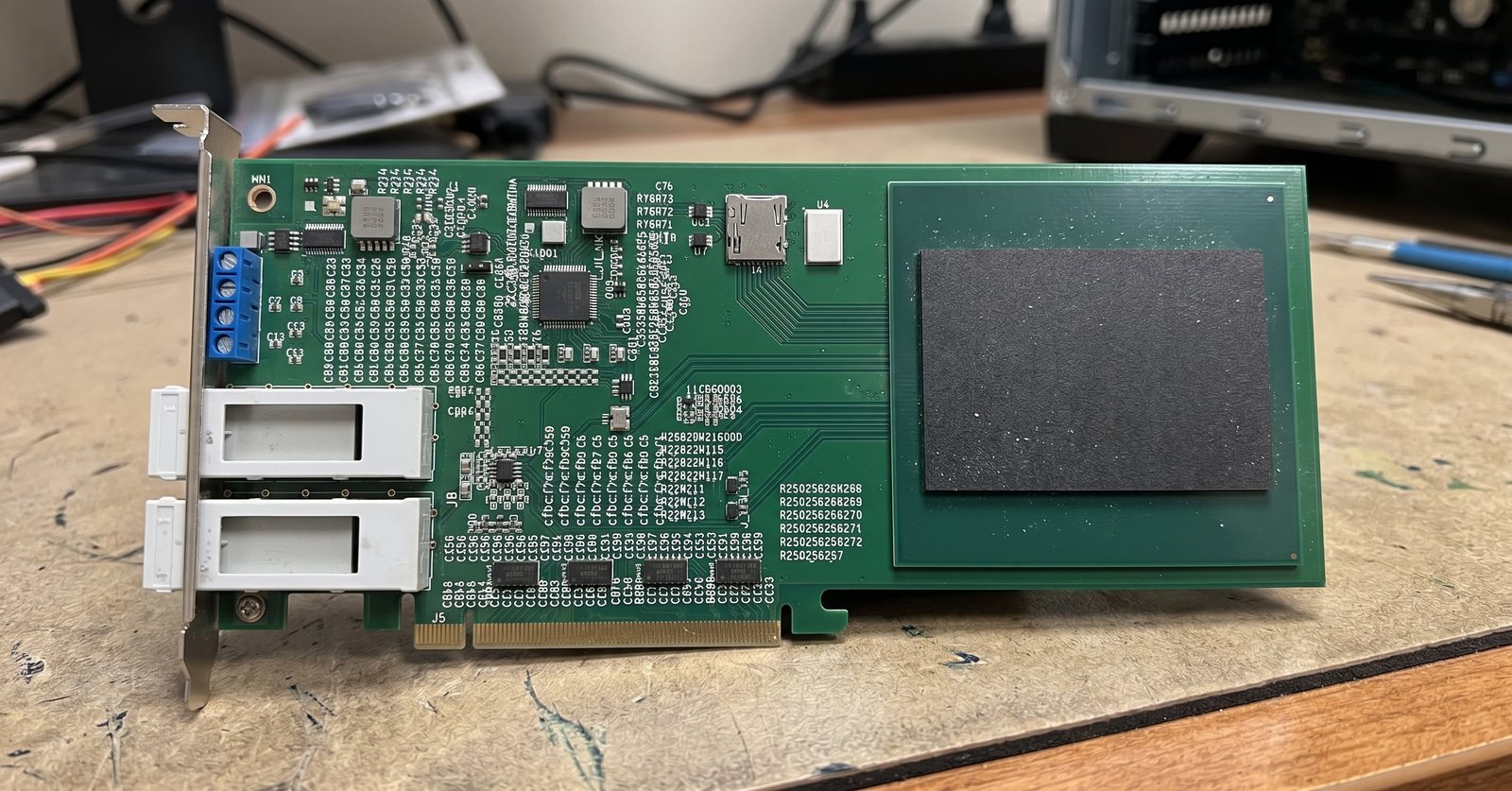
AutoPhi Modern: ten dies share one chassis on a nanophotonic backplane, a ring of 256 qubits sits on the same silicon as the classical pipeline, on-die layers hold burst power beside the compute cores, and LEDs on the rails pull the waste light back as current.
A compute group with a foundry slot and no instruction set of their own.
A team has a shuttle slot booked at an American foundry and a stack of ISA licensing agreements on the calendar. They want the qubit ring on the same die as the classical pipeline, not on a cable to another box.
AutoPhi Modern answers both in one folder, and the EM-IC family on its die is the same family bundled into Quantum Battery Seed Two. The architecture stands. The Verilog compiles.
From folder to wafer: the MEANS document names every pass criterion.
-
Day 0
Open the folder.
Instruction set, Verilog for the ten cores, chassis specs for eight form factors, the toolchain, the twelve-generation roadmap, and C code at the end. One folder.
-
Weeks 1–6
Verify against the spec.
The RTL meets the MEANS document line by line. OpenLane2 runs synthesis, place and route, DRC and LVS. OSS CAD Suite handles simulation and formal verification. No seat licenses to buy.
-
Months 2–6
First tape-out package.
Scale, REV and Nexus go first — host, parallel compute, network and storage. The files leave your floor on a shuttle at an American foundry.
-
Months 6–12
First silicon back.
Wafer on the bench. Scale Core runs the host, REV carries parallel compute, Nexus offloads network and storage. The MEANS criteria sit beside the probe station.
-
Months 12–24
The rest of the ten.
Train, Infer, Vision, Lingua and Spike land on later shuttle runs. The chassis takes shape around a nanophotonic backplane, with the quantum-battery module in the backplane alongside the management board.
-
Year 2
Hybrid on one die.
Qubit Core carries 256 logical qubits on the same silicon as the classical pipeline. Edge Core finishes the set at 42 mm² for the MicroServer.
-
Year 2+
The Fade starts.
Process node drops a step, die height adds a layer. The next generation’s Verilog sits in the same folder.
You hold the folder for ten cores. The silicon you print from it is yours to sell or deploy.
The license is non-exclusive, perpetual, worldwide. Other buyers can hold the same folder on their desk.
The buyer holds the RTL for all ten cores, the MEANS spec, the chassis specs for eight form factors, the toolchain, and the twelve-generation roadmap.
IP stays with the inventor. The EM-IC family on the die is patent pending under the same application as Quantum Battery Seed Two; the substrate under both sides is patent pending.
- You hold
- RTL for ten cores, MEANS spec, chassis specs, toolchain, twelve-generation roadmap.
- License
- Non-exclusive, perpetual, worldwide.
- IP
- Stays with the inventor.
- Patent
- Patent pending on the EM-IC family and the substrate under it.
- ISA
- AutoPhi — the cri-one architecture, your license.
- Toolchain
- OpenLane2 and OSS CAD Suite. No seat licenses required.
You buy blueprints and print them.
Printing a chip is a shuttle slot at an American foundry, the Verilog on the queue, and first silicon on your bench.