Contents 24 files in 7 folders · listed 14 November 2026
This lists the whole project folder, 84-phantasmphi-cpu, which 13 products on this site draw on. What this product delivers is stated on this page under What you get.
- animate/
- make_phantomcore_3d.py 14 KB
- make_phantomcore_voxel.py 11 KB
- phantomcore-3d.svg 228 KB
- phantomcore-voxel.svg 71 KB
- README.md 2 KB
- build/
- phantom_soc_sky130.v 11.5 MB
- phantom_soc_tb.vvp 106 KB
- phantom_soc_v2_tb.vvp 119 KB
- phc01_sky130.log 766 KB
- phc02_sky130.v 17 KB
- phc02_yosys.log 190 KB
- rtl/
- phc02/
- tb/ 1 file
- phantom_core_cpu_v2.v 9 KB
- phantom_soc_v2.v 7 KB
- seq_divider.v 3 KB
- sram_1rw.v 2 KB
- sw/
- tb/
- phantom_core_cpu.v 9 KB
- phantom_soc.v 6 KB
- CONTACT_INFO.txt 1 KB
- phantomcore-cpu-deploy.zip 6 KB
- README.md 4 KB
- STATUS-PHC02.md 5 KB
For the Curious
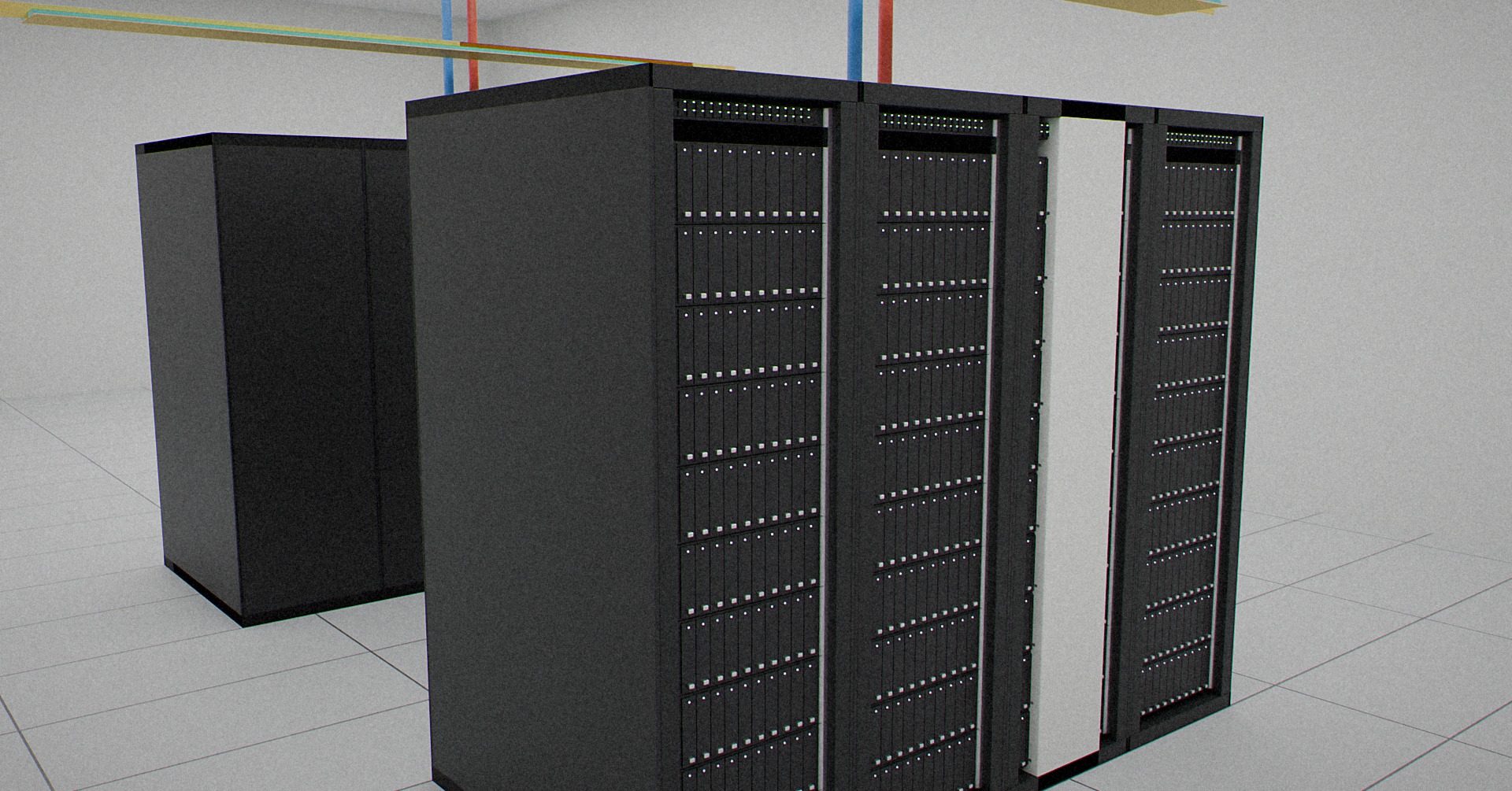
Think of eight racks standing shoulder to shoulder and treated as one machine rather than eight. That is a pod, and PHC06 is the PhantasmPhi PHC01 "PhantomCore" CPU IP drawn at that size: 8,192 cores across an 8-rack pod, laid out for the 5 nm node. The logic inside each core is the same PhantomCore that has been written at the register level, run through simulation and proven, and mapped onto the SKY130 standard-cell library. Nothing about the core is reinvented at pod scale; the blueprint simply grows to fill the floor a pod takes up.
A pod is where a datacenter stops thinking in boxes and starts thinking in capacity. This product is for the operator who buys floor space by the pod and wants one design that fills it, for the engineering buyer who needs to see the proven RTL before committing a team to it, and for the licensee who would rather hold a pod-sized blueprint than stitch one together from smaller pieces. The PhantasmPhi calculator carries this product as one step on its ladder, so you can read the blade and the rack below it and the row above it and watch how the count moves.
When you buy, you buy the use of that blueprint only - the 8,192-core, 8-rack PHC06 layout and the proven logic beneath it. The PhantomCore IP itself remains with its inventor, Christopher Gabriel Brown, and the CRI-ONE name stays on the work.