PCBWrite: schematic to circuit board, scripted
Project 111 · cri-one.com portfolio · personal and educational use · rev 0.1
PCBWrite turns a KiCad schematic into a laid-out printed circuit board without an interactive layout session. One command does all of it:
- reads the netlist and resolves every part to a footprint;
- places the parts, on both sides if asked;
- routes 2, 4 or 6 copper layers with vias and rip-up;
- writes the KiCad board;
- runs KiCad's design-rule check;
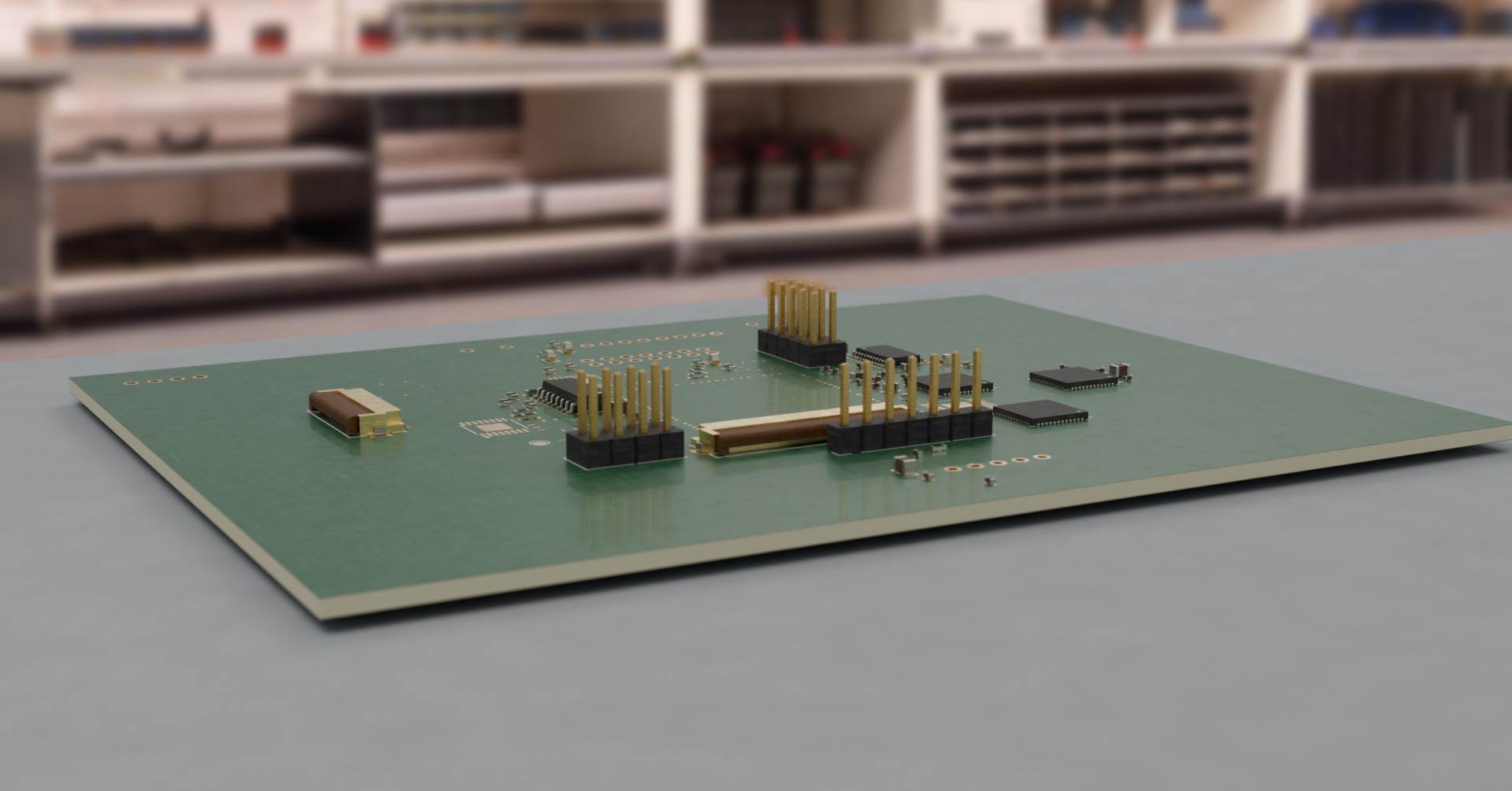
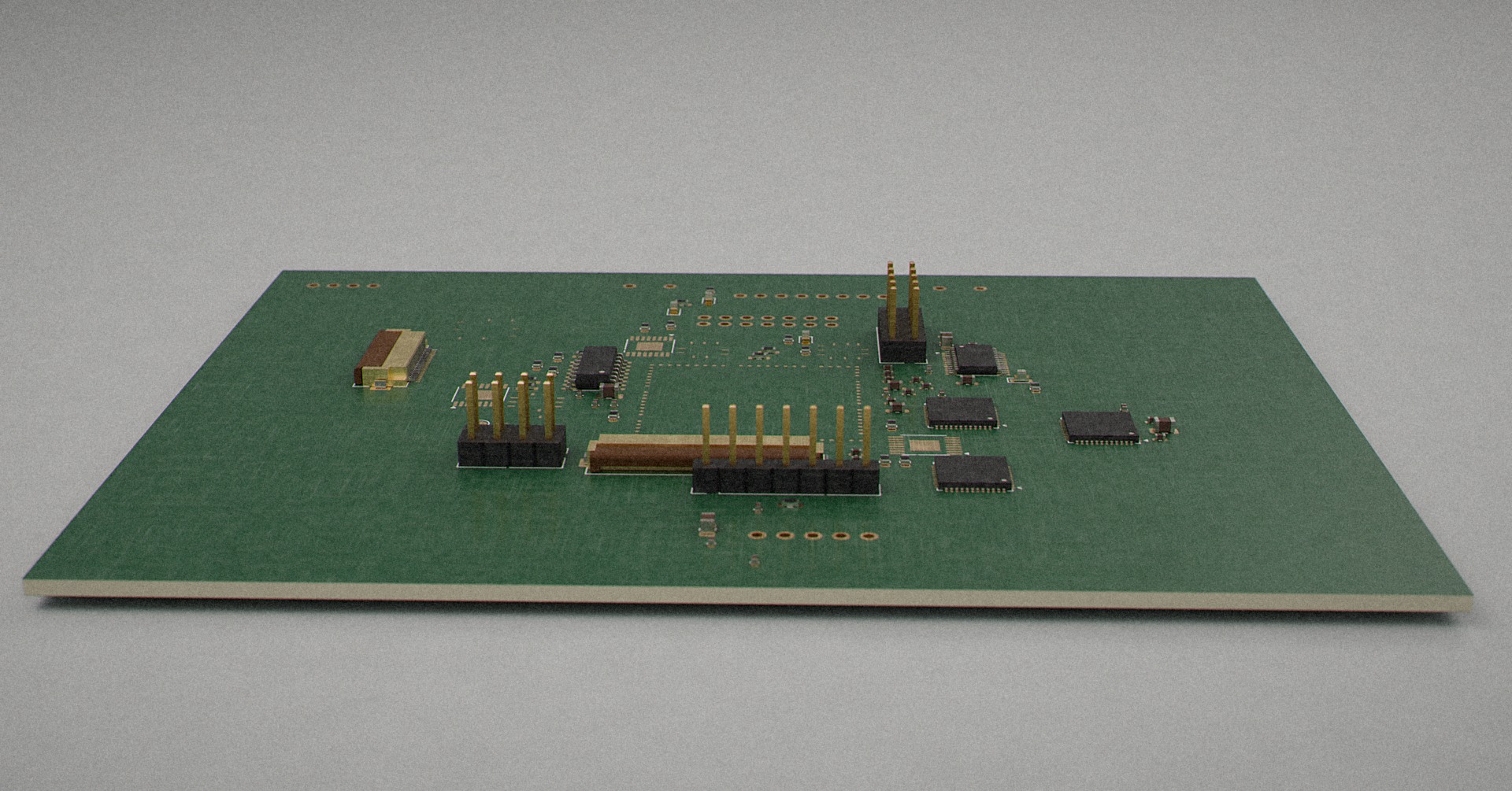
- exports Gerbers, drill and placement files, and renders the board in 3-D.
What you get
- The pipeline source: stdlib Python driving KiCad 9 or 10, with 34 tests.
- Footprints are resolved pin for pin from KiCad's library, or synthesised from the footprint name when the library has nothing.
- The placer is two-sided; the router is a multilayer grid router.
- pcbnew writes the board, and every pad is checked against the layout.
- The first board: the ICWritePhi printer controller, 81 parts on 4 layers. All 171 connections are routed, and KiCad's design-rule check finds no errors and no unconnected items.
--writer M: lays a board out to the PCBWritePhi writer's rules and writes its cut files as the last step. This needs the PCBWritePhi package.- Specification, status report, handoff notes and license.
Honest state
The pipeline runs end to end in KiCad 10. The first board has not been fabricated or electrically tested. Its 27 larger parts are not yet pin-accurate until real part numbers are chosen. Routing is rectilinear with through-hole vias: no differential pairs, length matching or impedance control.
Coinciding work
PCBWritePhi (Project 112) is the bench machine that cuts PCBWrite's boards out of copper-clad blanks. ICWritePhi (Project 110) is the printed-chip family whose controller is PCBWrite's first board.
Delivery: nothing downloads from the store. The package is sent by email after purchase, to the address on the order.
License: personal and educational use, for individuals and schools in the United States. Commercialization rights are a separate written agreement. Full terms are in LICENSE.md of the package. Retained: patents, prosecution and enforcement rights, trademarks and the inventor record. This is not a patent license or assignment.
USA-only. USD-only. Final sale. Email and postal mail only.
For the Curious
Think of the software that turns a schematic into a laid-out circuit board, in one command, with no interactive dragging of parts. A KiCad schematic goes in; the software reads the netlist, finds a footprint for every part, places the parts on one side of the board or both, routes the connections across two, four, or six copper layers with vias and rip-up when it has to, writes the KiCad board file, runs the design-rule check, and exports the Gerbers, drill files, and 3-D render that a fabricator or a bench machine can take. The first board is the controller for the ICWritePhi printer — 81 parts across 4 layers, 171 connections, all routed, design-rule check clean. The pipeline runs end to end today; the first board has not been fabricated or electrically tested, and the routing is through-hole vias without differential pairs or impedance control. It's the study of what a scripted schematic-to-board path looks like, with every piece runnable.