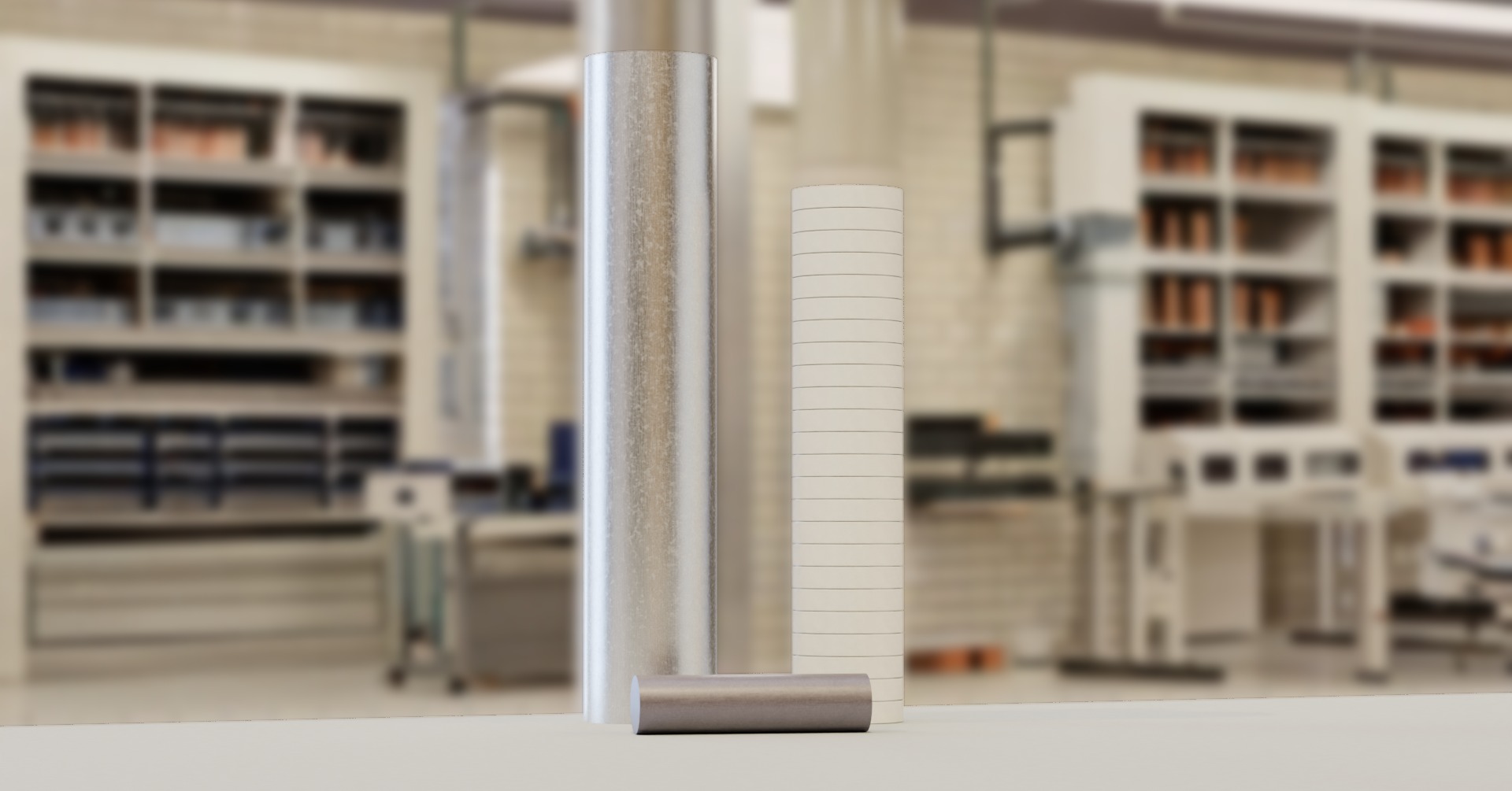
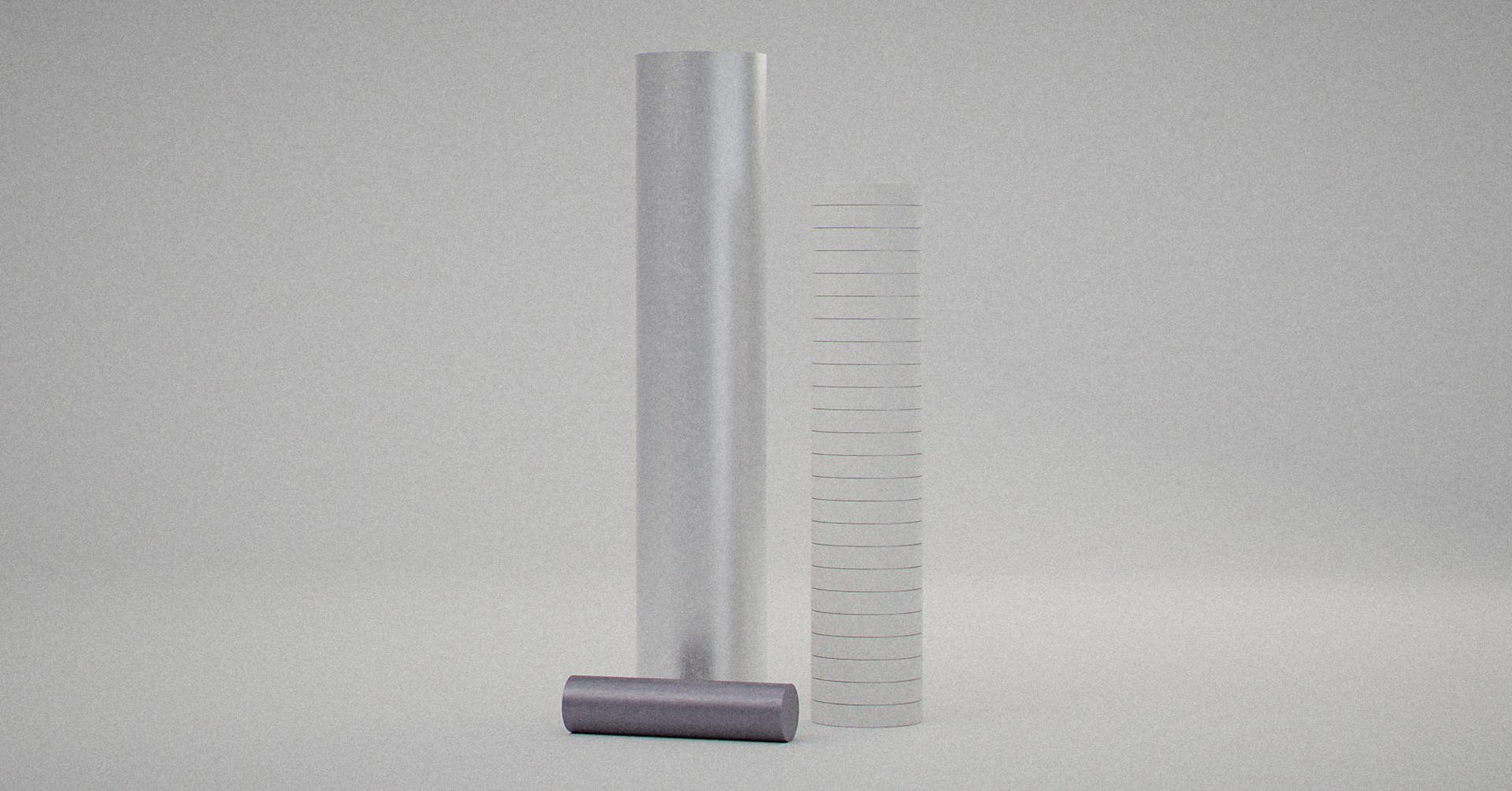
Description
Companion
Builds directly on the 01 Autocar Electronic Automotive Platform (USPTO Application 19/439,525, filed 2026-01-05, pending). Sibling to the 97 Magnetic Torque Transmission family.
The two options
Option | Where it mounts | What it harvests | Status
RTR-A · Reaction-end rod | Hub output face of the 01 ring, on the central (thrust) axis | Compressive load from external reaction (5-50 kW at typical mission loads) + real-time reaction-force telemetry | SHIPPING. Moderate IP risk; filable with narrow claims.
RTR-B · Through-ring receiver | Round the ring through center bore of all 30 plates | Induced current from the ring's own field, when SiC contactor completes load circuit (100-200 kW) | PARKED. Tubular linear induction motor prior art covers the geometry and the switching trick. Four rewrite candidates documented.
Not mutually exclusive. A full 30-plate ring can host both at the same time.
Prior-art position
Searched 2026-10-01 across USPTO, Google Patents, WIPO, and open literature. RTR-A moderate risk, filable with narrow claims around the dual-material combination plus the feedback-scheduling loop. RTR-B high risk; not recommended for filing as drafted; four rewrite candidates listed in the specification file. The IP ranking changed after the search — RTR-B was positioned as the stronger piece before, then downgraded by the OSTI wound-secondary LIM finding, and the scaffold was honestly updated on 2026-10-01 to reflect that.
Patent position
None of 01's filed claims cover reaction-force harvesting, through-ring induction pickup, or load-coupled passive elements. MTR is cleanly additive. The buyer takes the blueprint package under a perpetual worldwide non-exclusive manufacturing license; the patents stay with the inventor; prosecution burden stays with the inventor.
Footnotes
- Product number 10339.
- Family: electromagnetic propulsion.
- Purchase: When you buy, you buy the use of that blueprint only.
For the Curious
The thirty torque plates that power the Autocar jet make 440 kilonewtons of thrust, pulling and pushing on one another round a ring. What it has never had, until now, is a way to hear itself work. The Magnetic Torque Rod is a small, elegant trick: a rod that can only work if there is work to be done. When the drive is pushing against nothing, the rod is quiet. When something resists — a headwind, a load, a mountain of air — the rod wakes up and starts generating. Two options come in the package. The reaction-end rod lives at the output face and uses two different materials in one housing to turn mount strain into real-time telemetry and a small amount of recovered power. The through-ring receiver rod runs round the ring through the center of every plate and acts as a hidden transformer secondary that only draws power when a load circuit asks for it — honest heads-up though, that one is parked while the IP position gets rewritten. Both options are passive-until-loaded. Neither drags on the drive when idle. Together they let the Autocar propulsion controller stop running open-loop and start running on measurement.
More Information
What ships (file-level)
Complete specifications for both receiving-rod options, the honest prior-art verdict with every citation, four candidate RTR-B rewrite frames inherited at close, firmware-integration pseudocode for RTR-A's feedback loop into 01's power scheduler, parametric OpenSCAD CAD source for both options, buyer-diligence document, blueprint-license form of terms, and a machine-readable MANIFEST.